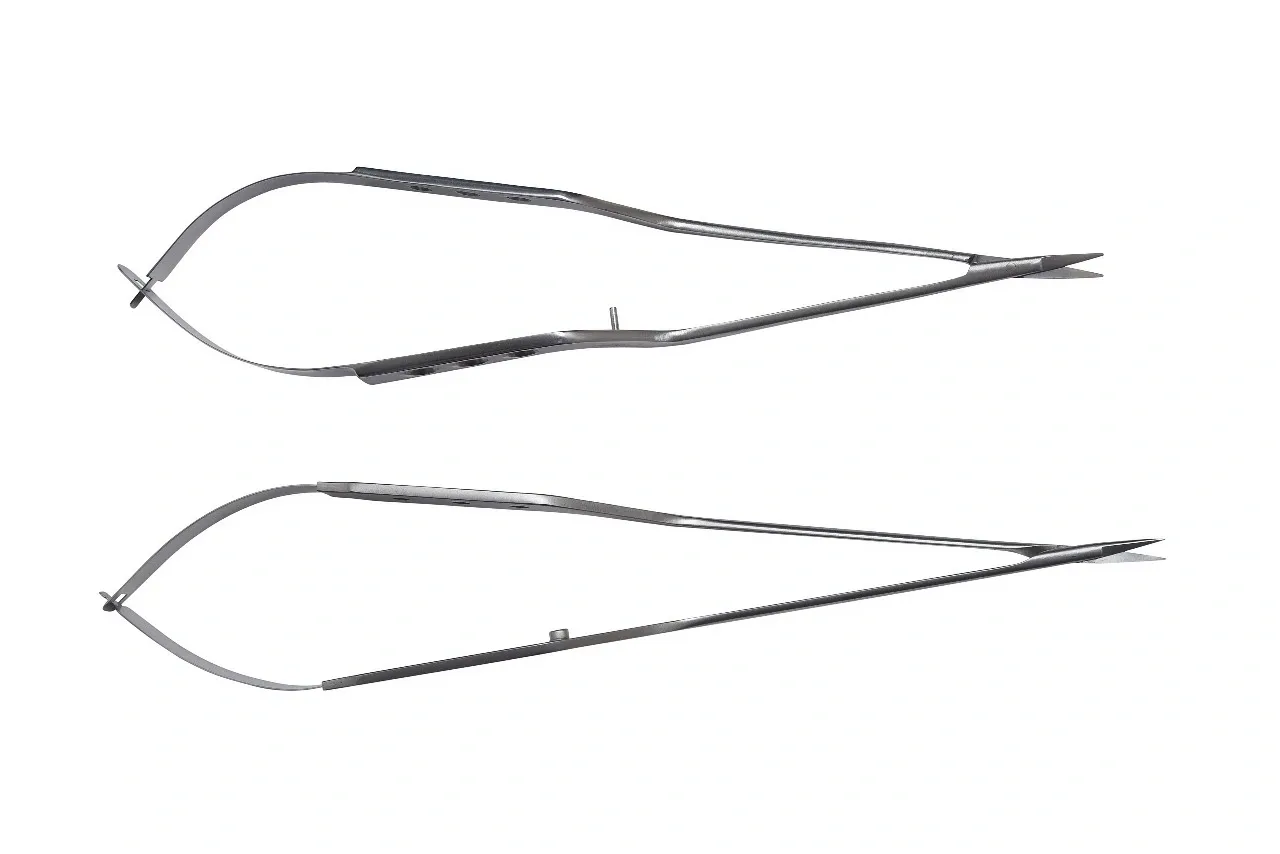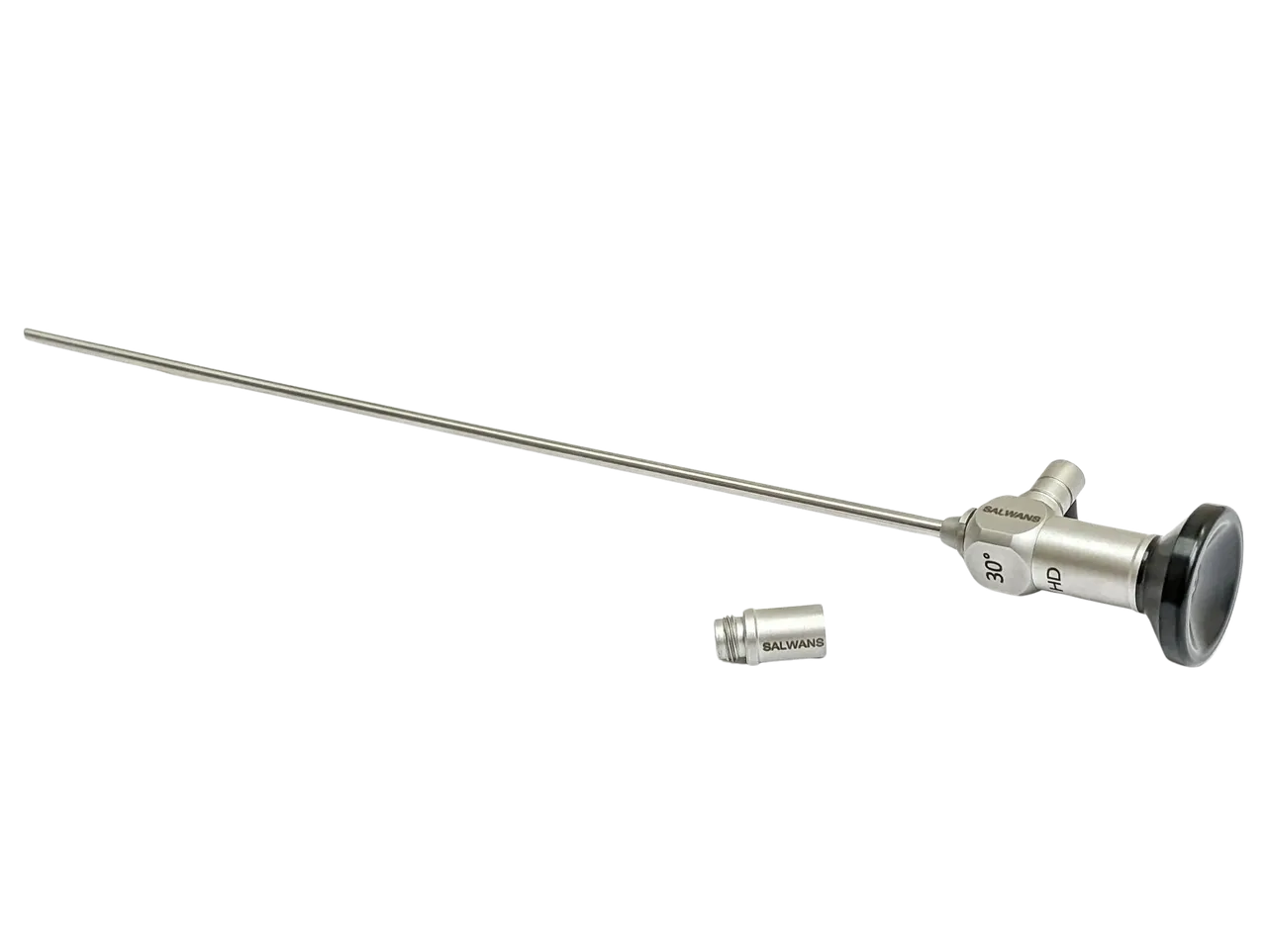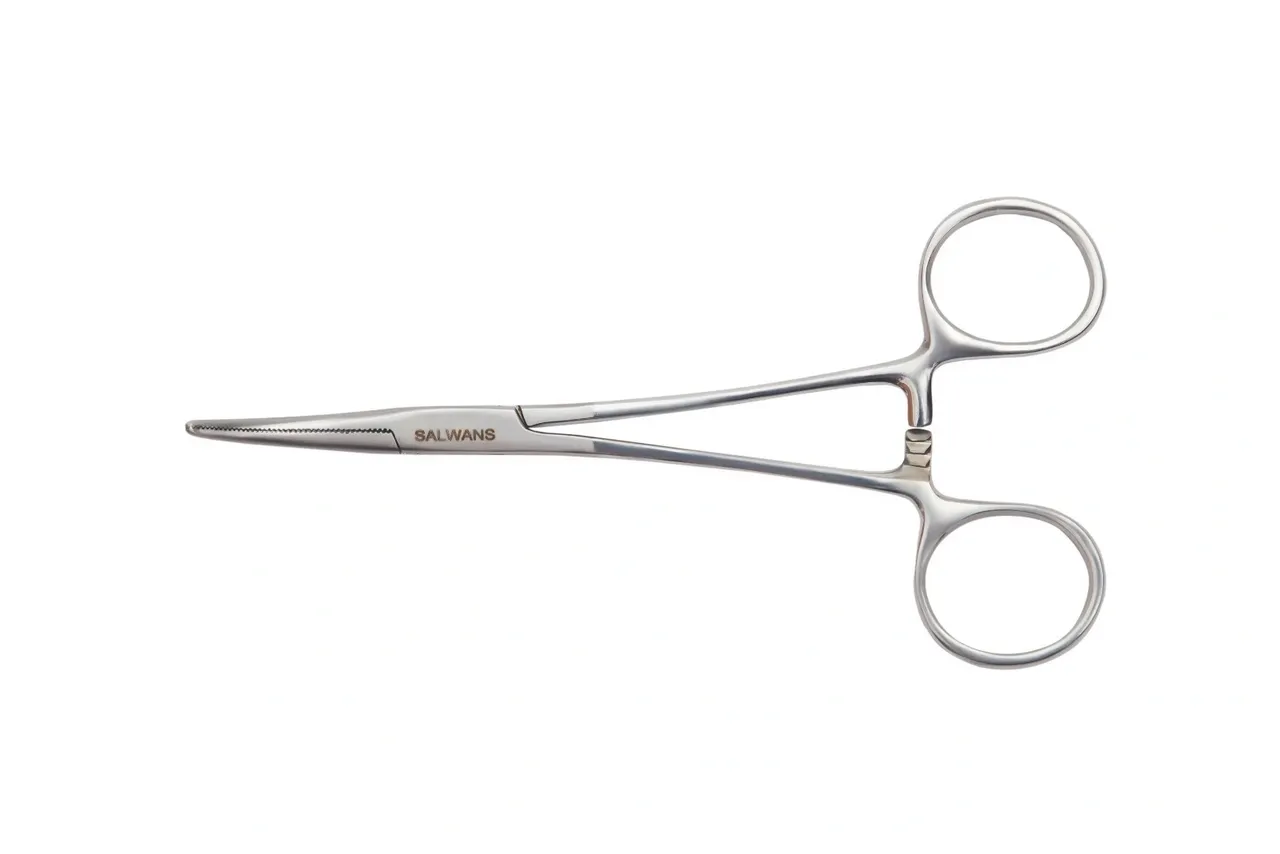
Forceps Equipment
Surgical Instruments in India – From Forceps to Equipment

The medical industry depends on precision, quality, and trust. When it comes to surgical procedures, the tools in a surgeon’s hands can make all the difference. At Salwan Surgicare, we have been manufacturing and exporting premium surgical instruments for over 28 years, serving more than 200 hospitals and distributors worldwide. Today, we explore the role of forceps and other specialized instruments, while also answering the common searches for surgery equipment names, operation instrument names, and the meaning of surgical instruments in India

Surgical Instruments
Surgical Instruments by Specialty: A Complete Guide for India

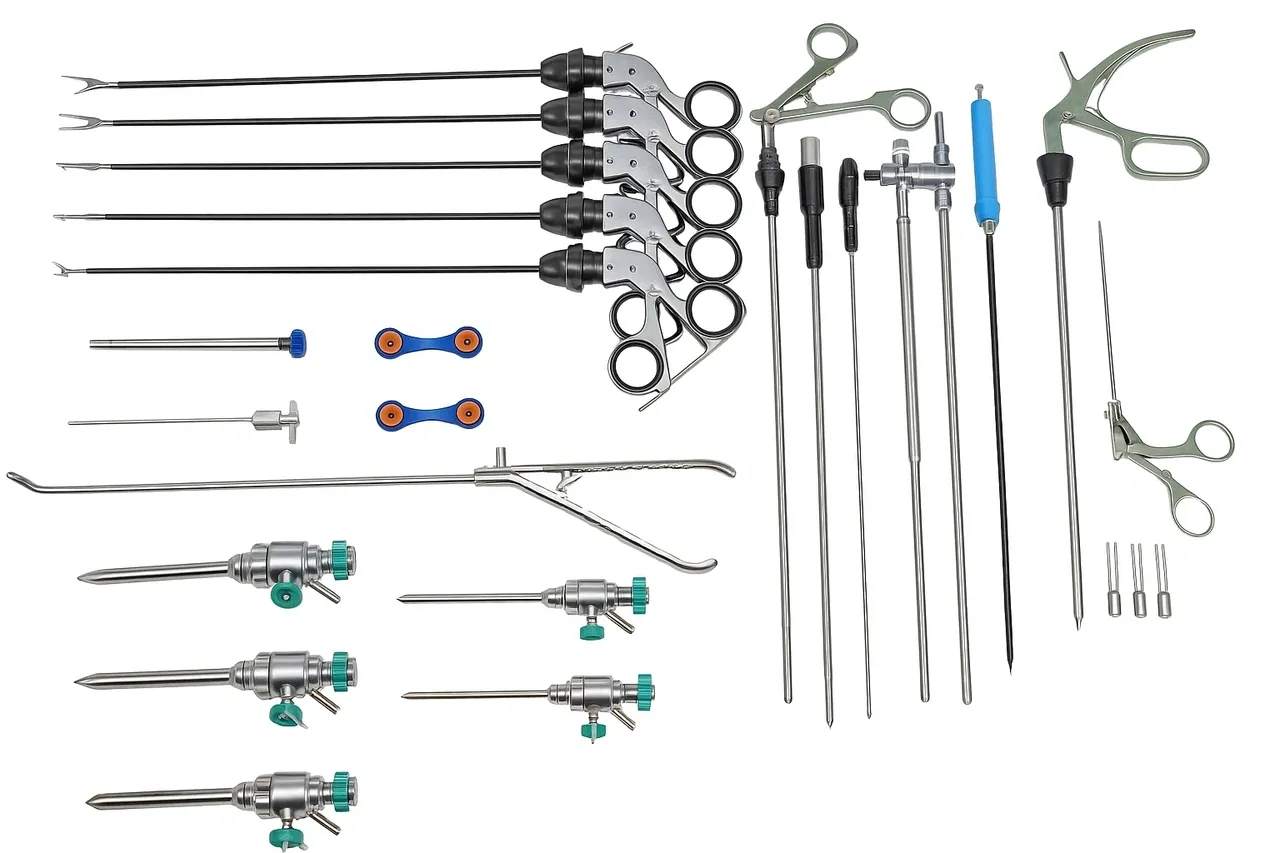
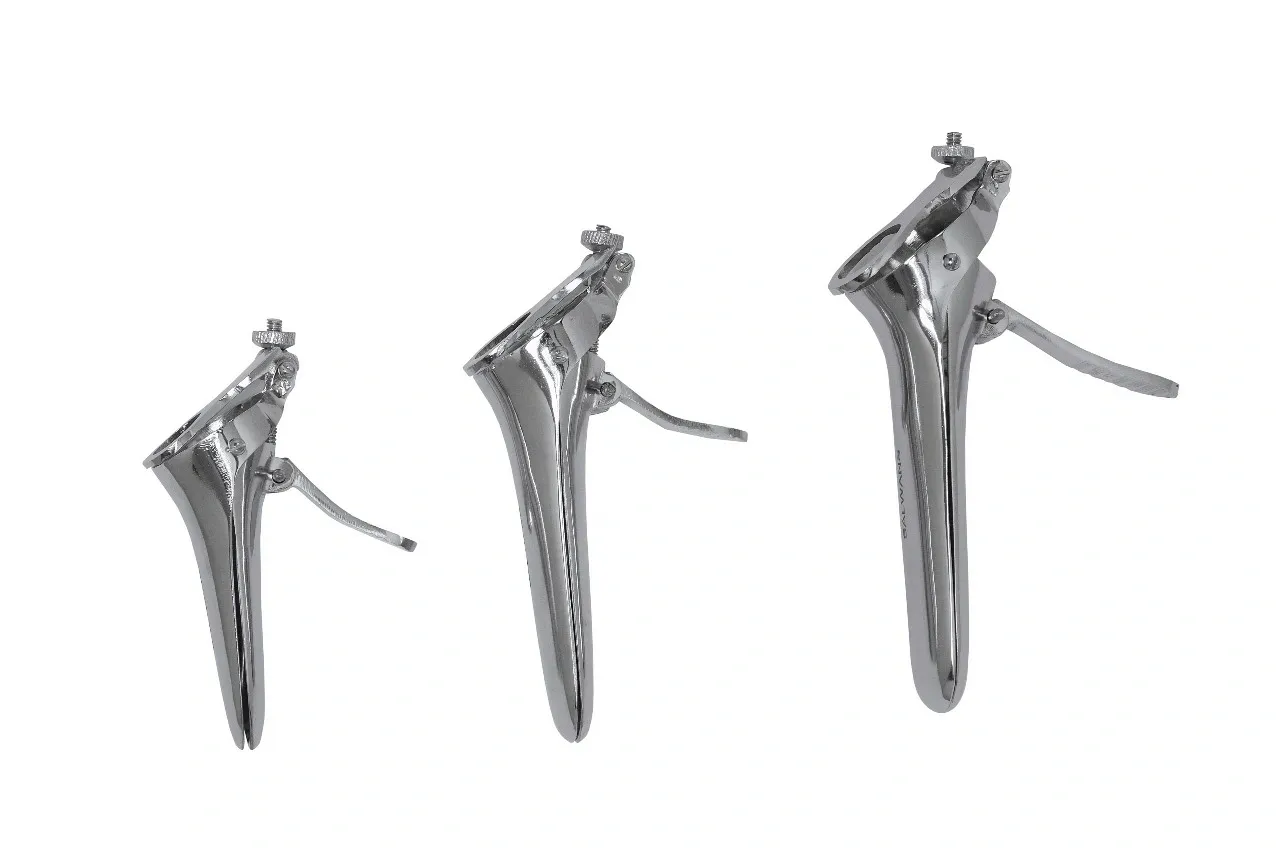
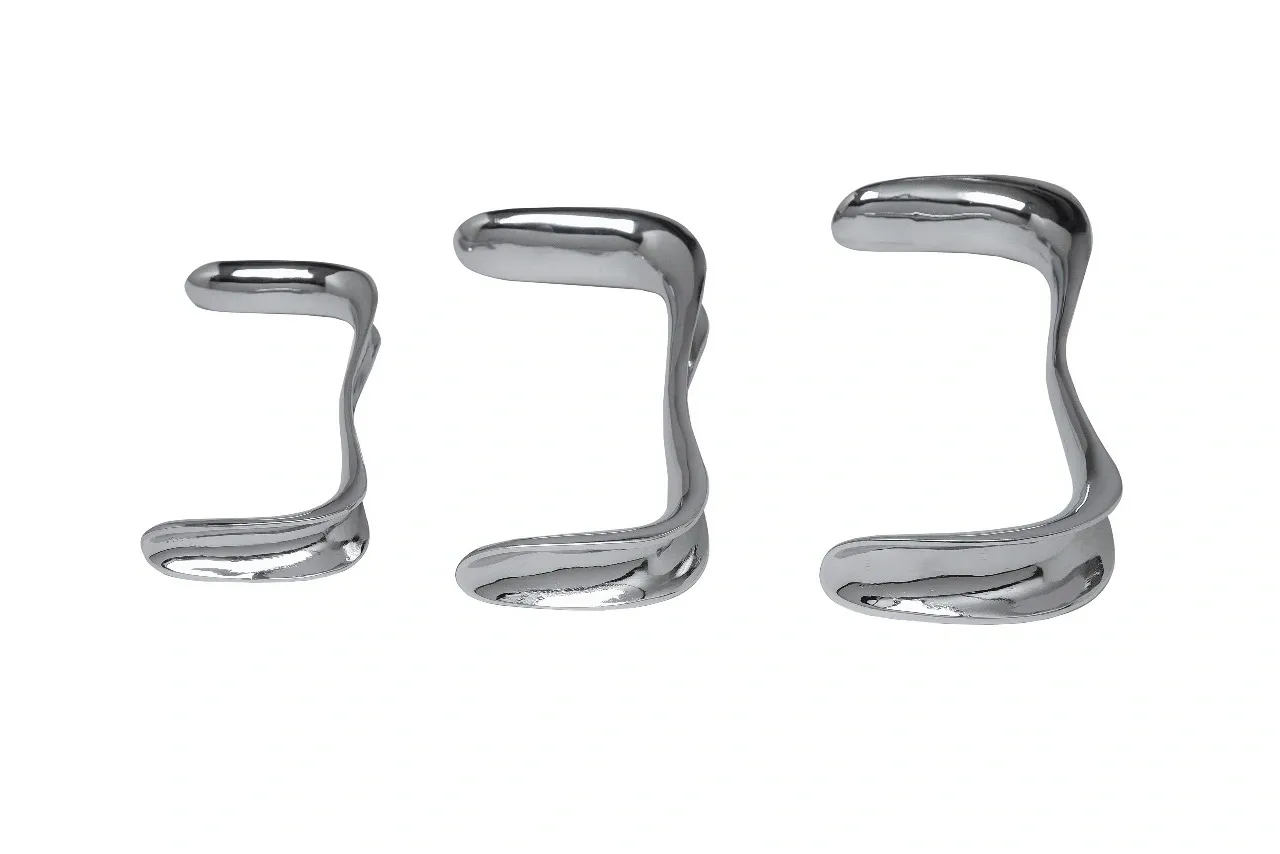
Surgical instruments are the backbone of every successful surgery. From simple procedures to advanced operations, these tools help doctors perform with precision and safety. In India, there is a growing demand for high-quality surgical instruments across different specialties such as orthopedics, gynecology, neurosurgery, ENT, general surgery, and laparoscopic procedures.

Urology Instruments
A Complete Guide to Urology Instruments and Their Application

Urology is one of the most instrument-dependent branches of surgery. Every procedure — whether diagnostic or operative — requires high-precision tools designed to handle delicate tissues and narrow anatomical structures. In this guide, we’ll explore the main types of urology instruments used in hospitals and clinics, their functions, and why the quality of these tools directly impacts surgical outcomes.

Surgical Instruments in Hospitals
Most Used Surgical Instruments in Hospitals

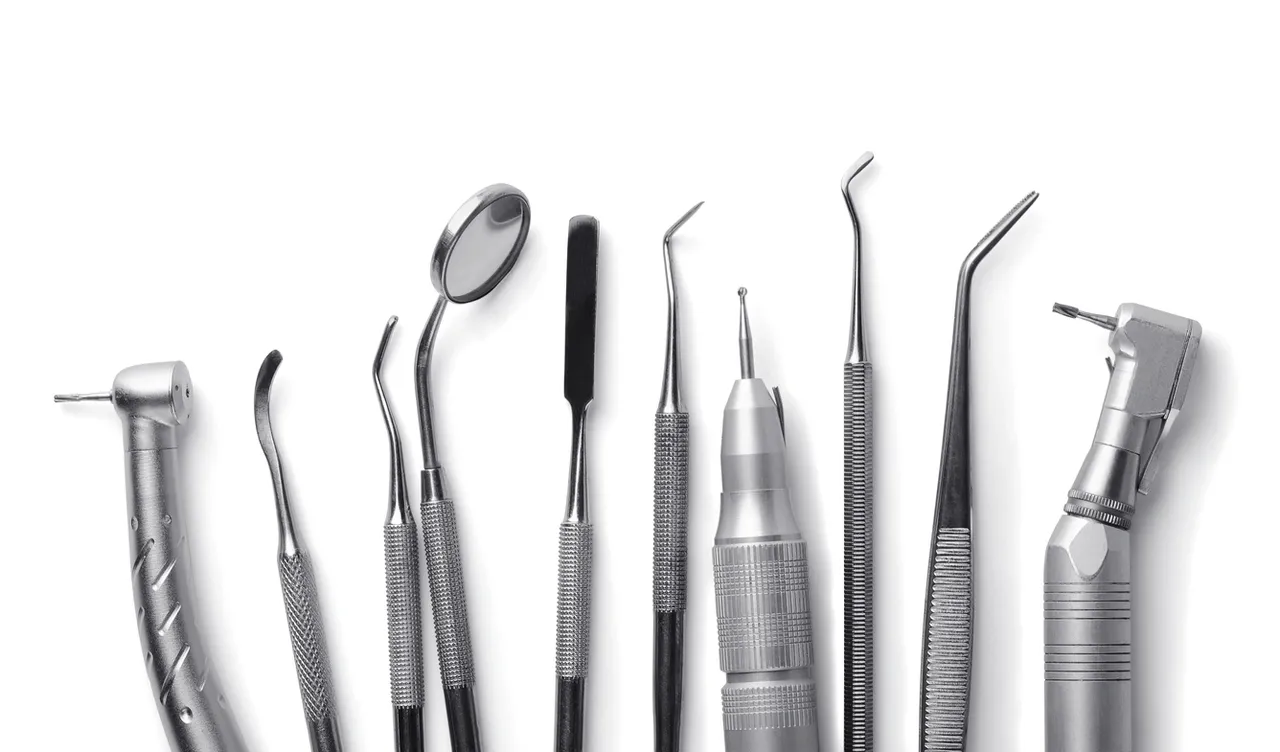
Hospitals rely on a standardized set of surgical instruments for hospital operating rooms to perform safe, efficient procedures every day. While specialties vary, the core surgery equipment names remain consistent across general surgery, orthopedics, gynecology, ENT, and minimally invasive procedures.

CE &amp
CE & ISO Certification in Surgical Instruments: Must Know

When importing surgical instruments, quality and compliance are not optional — they are mandatory. Hospitals, distributors, and procurement teams must ensure that every surgical instrument they source meets international safety, manufacturing, and regulatory standards. This is where CE certification and ISO certification play a critical role.
Understanding what these certifications mean, and why they matter, helps importers avoid regulatory issues, product rejections, and long-term quality problems.