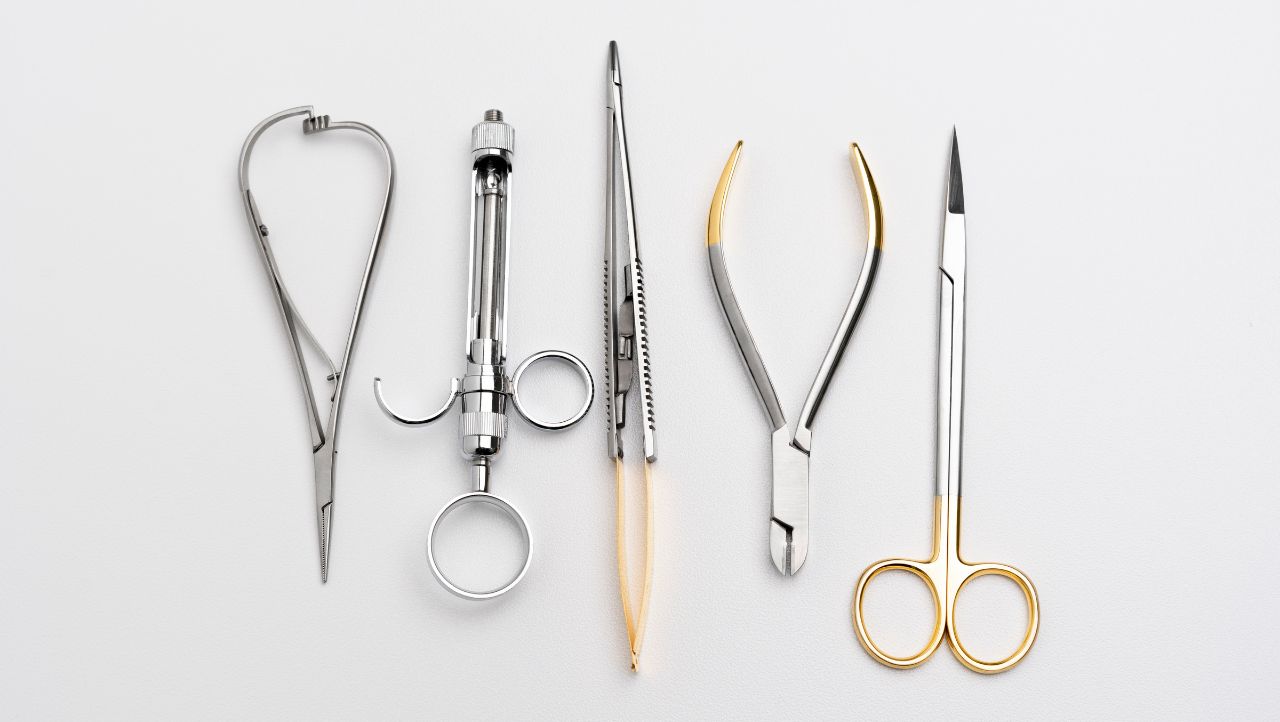
Essential Orthopedic Surgical Instruments For Every Operating Theatre
A small error in a surgical setting can lead to bigger complications than expected. In procedures related to bones and joints, accuracy is not just important, it becomes the base of the entire outcome. This is where orthopedic surgical instruments play a strong role. Every tool, whether simple or advanced, supports the surgeon in maintaining control, clarity, and stability throughout the procedure.
From fracture repair to spinal adjustments, the need for properly designed tools becomes clear. A well-prepared orthopedic surgery equipment list ensures that nothing is missing when precision is required the most. When all orthopedic instruments are carefully selected and arranged, the workflow becomes smoother and safer for both the surgeon and the patient.
Understanding Orthopedic Surgical Instruments
Orthopedic procedures deal with bones, joints, and muscles. These areas require tools that are strong, precise, and reliable. Instruments used in such procedures are not random. Each one is designed for a specific purpose.
Orthopedic instruments include:
- Implants
- Screws and plates
- Drills
- Nails
- Retractors
All these tools help in performing procedures like fracture fixing, joint replacement, and spinal work. The shape and design of these instruments are different because each task needs a different approach.
- Any tool used directly or indirectly in bone and muscle procedures is part of orthopedic instruments.
- These tools help in cutting, holding, fixing, or exposing bones during surgery.
When all orthopedic instruments are used together in a planned way, they create a controlled environment inside the operating room.
Essential Orthopedic Instruments
A well-structured orthopedic surgery equipment list usually includes different categories of tools. Each category serves a unique function during surgery.
Bone Cutting Instruments
These tools are used when bones need to be cut, shaped, or divided.
- Bone Cutting Forceps
- Help in cutting or dividing bones
- Available in straight or angled forms
- Gigli Saw
- Used for dividing bones in a controlled way
- Rongeurs
- Scoop-shaped tools
- Help in creating small openings in bones
- Bone Saws
- Sharp-edged tools
- Used for precise and clean bone cuts
Bone Holding Instruments
These instruments are used to hold bones in place during procedures. Stability is the main purpose here.
- Bone Holding Forceps
- Keep fractured bones steady
- Common types include Lane and Hey Groves
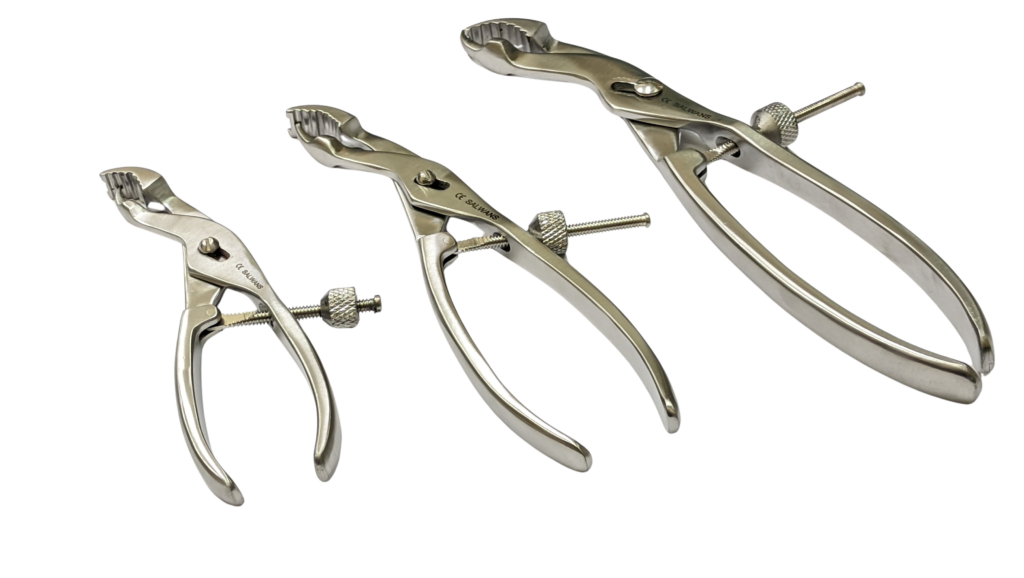
- Plate Holding Forceps
- Hold plates while screws are inserted
- Lowman Bone Clamp
- Used for applying compression
- Has a curved and strong grip
- Reduction Forceps
- Help in bringing bones back to their correct position
Bone Drilling and Fixation Instruments
These tools help in fixing and aligning bones properly.
- Electric Drills
- Create holes in bones
- Allow placement of screws and nails
- K-Wires and Pin Drivers
- Used for temporary alignment
- Osteotomes and Chisels
- Shape and smooth bone surfaces
- Also used in bone grafting
Orthopedic Retractors
Clear visibility is important during surgery. Retractors help in holding tissues aside.
- Hohmann Retractors
- Expose bones using a hooking method
- Bennett Retractors
- Used for deeper tissue retraction
- Adson Retractor
- Helps manage heavy muscle layers
- Beckman Retractor
- Self-retaining
- Reduces the need for manual holding
Orthopedic Implant Instruments
These are used along with implants to fix bones and joints.
- Screws and Plates
- Help in stabilizing bones
- IM Nails
- Used for fixing fractures
Quick View Table: Common Orthopedic Tools
| Category | Purpose | Examples |
| Cutting Tools | Bone shaping and cutting | Bone saws, Gigli saw |
| Holding Tools | Stabilizing bones | Forceps, clamps |
| Drilling Tools | Fixation and alignment | Electric drills, K-wires |
| Retractors | Better visibility | Hohmann, Bennett |
| Implant Tools | Bone support | Plates, screws |
Why High-Quality Orthopedic Instruments Matter
Using good-quality instruments is not just a preference. It directly affects the outcome of the procedure.
- Better Control During Surgery
- High-grade stainless steel tools provide strong grip and precision
- Reduced Risk of Breakage
- Durable instruments lower the chances of failure during procedures
- Smooth Surgical Flow
- Reliable tools help maintain consistency
- Faster Recovery Support
- Proper tools reduce complications
- Consistent Performance
- Well-crafted instruments work the same way every time
Precision manufacturing and proper finishing also improve handling. Smooth surfaces and proper alignment reduce effort during use. Reusable and sterilization-ready tools are also important. Instruments designed for repeated use maintain their quality even after multiple cleaning cycles.
Built for Performance: Role of Manufacturing Quality
Not all instruments perform the same. The way these are made plays a big role. Important factors include:
- Material quality
- Finishing process
- Alignment and grip
- Packaging and consistency
High-quality surgical instruments are usually made from medical-grade stainless steel. This ensures:
- Long life
- Resistance to corrosion
- Stable performance
Proper inspection and finishing ensure that every instrument works smoothly.
Salwan Surgicare: A Name Behind Reliable Surgical Precision
Consistency in surgical tools often comes from experience and careful manufacturing. Salwan Surgicare stands as a trusted name in this space. With a long-standing presence in surgical instrument manufacturing, the focus remains on:
- Precision design
- Reliable performance
- Durable construction
Key highlights include:
- Wide catalog covering multiple specialties
- Orthopedic instruments built for strength and control
- Tools designed for real operating room conditions
- Reusable and sterilization-friendly instruments
Orthopedic solutions include tools for:
- Fracture fixation
- Joint replacement
- Spinal procedures
- Bone reconstruction
Every instrument is crafted to maintain balance, grip, and control. This helps surgeons perform procedures with confidence.
A Reliable Orthopedic Instruments Manufacturer
A well-equipped operating room depends on more than just availability. It depends on reliability, design, and performance of every single tool. A complete orthopedic surgery equipment list is only useful when each instrument performs exactly as expected.
Carefully manufactured orthopedic surgical instruments support accuracy, reduce complications, and improve overall surgical flow. When all orthopedic instruments are designed with attention to detail, the difference becomes visible in every procedure.
Salwan Surgicare continues to support this need with instruments built for real surgical environments. From design to delivery, the focus remains on consistency and trust.
Explore dependable surgical solutions crafted for precision and long-term performance with Salwan Surgicare.
Frequently Asked Questions
Orthopedic surgical instruments are used in procedures related to bones, joints, and muscles. They help in cutting, holding, fixing, and aligning bones during surgeries.
It ensures that all necessary tools are available before surgery. This helps maintain smooth workflow and avoids delays during procedures.
Yes, most orthopedic instruments are designed for repeated use. They are made to withstand sterilization processes without losing quality or performance.
Medical-grade stainless steel is commonly used. It provides strength, durability, and resistance to corrosion during repeated usage.
They improve control, reduce risks, and support better outcomes. Durable instruments also lower chances of complications during procedures.