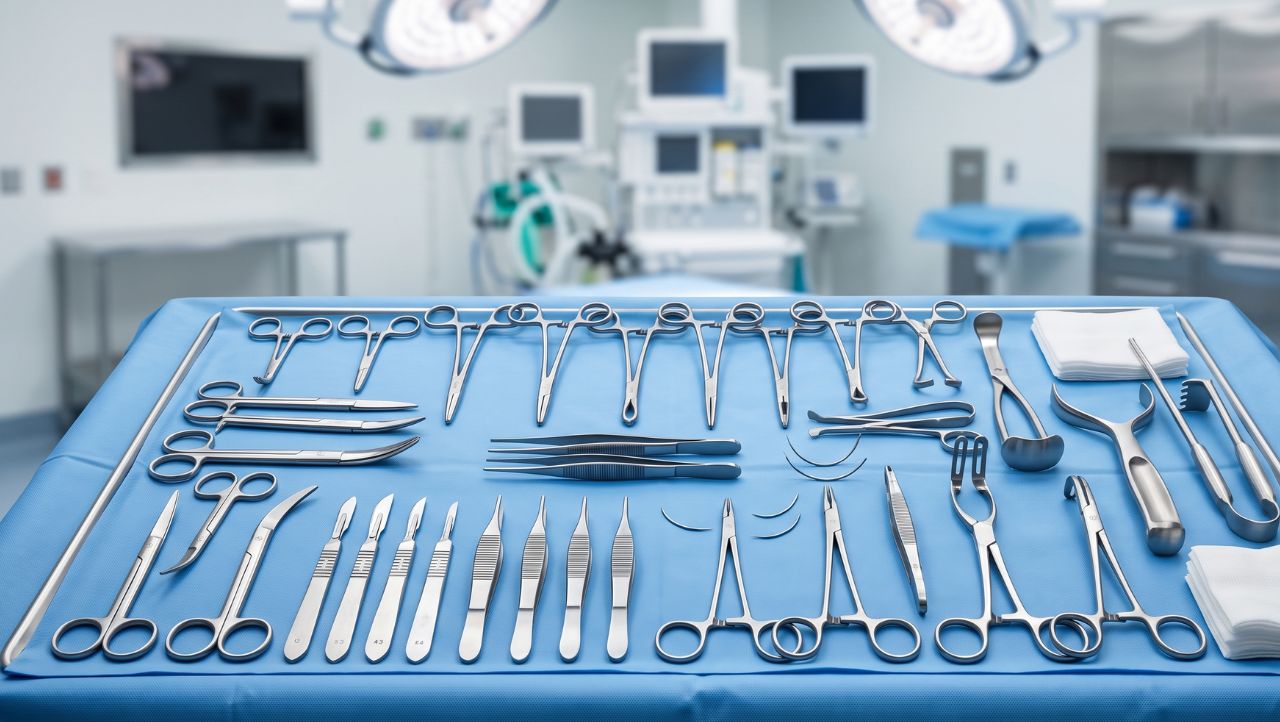
Cesarean Section Instruments: Complete List of Names, Uses and Setup Guide
A cesarean section, commonly called a C-section, is a surgical procedure used to deliver a baby through incisions made in the abdomen and uterus. Because it involves several stages, from incision and tissue handling to delivery, closure, and wound management, the operating team needs a well-organized selection of instruments.
According to the World Health Organization (WHO), cesarean births accounted for approximately 21.1% of births worldwide based on data from 154 countries covering 94.5% of global live births in 2018. WHO also projected that the global rate could reach about 28.5% by 2030.
For hospitals and clinics, having the appropriate instruments available and properly arranged can help the surgical team work efficiently. This guide explains common cesarean section instruments, their uses, and the general principles involved in preparing a C-section instrument setup.
Essential Cesarean Section Instruments and Their Uses
A C-section tray generally contains instruments for cutting, grasping, clamping, retracting, suction, suturing, and tissue handling. The exact contents can vary according to the procedure, surgeon preference, and hospital protocol.
Here are some commonly used instruments:
Scalpels and Scalpel Handles
Scalpels are used to make precise surgical incisions. Different blade and handle combinations may be selected according to the required incision and surgical technique.
Surgical Scissors
Scissors are used for cutting tissue, sutures, dressings, and other surgical materials. Different designs are selected for specific tasks.
Forceps
Forceps provide controlled handling of tissues and materials. Common types may include:
- Tissue forceps
- Dressing forceps
- Allis forceps
- Babcock forceps
- Kocher forceps
Hemostatic Forceps
These instruments are used to clamp blood vessels or tissue and assist with bleeding control.
Needle Holders
Needle holders provide a secure grip on surgical needles during suturing and wound closure.
Retractors
Retractors hold tissues away from the operative field and help maintain visibility. A right angle retractor may be used where appropriate to provide controlled tissue retraction, depending on the surgeon’s technique and the operative field.
Suction Instruments
Suction devices help remove blood and other fluids from the surgical field, supporting visibility during the procedure.
Salwan Surgicare’s general surgery range includes instruments such as Mayo and Metzenbaum scissors, Allis and Babcock forceps, Mayo-Hegar and Olsen-Hegar needle holders, and Langenbeck and Deaver retractors.
Cesarean Section Instruments Names: Complete List
When preparing a C-section tray, hospitals usually organize instruments according to their function rather than simply placing them together. This makes identification easier for the operating team.
A practical cesarean section instruments names list may include:
| Instrument | Common use |
| Scalpel handle and blade | Making surgical incisions |
| Mayo scissors | Cutting heavier tissue or materials |
| Metzenbaum scissors | Delicate tissue dissection |
| Operating scissors | General cutting tasks |
| Tissue forceps | Holding and handling tissue |
| Dressing forceps | Handling dressings and materials |
| Allis forceps | Holding tissue securely |
| Babcock forceps | Gentle tissue handling |
| Kocher forceps | Firm tissue or structure grasping |
| Artery forceps | Clamping vessels and controlling bleeding |
| Needle holder | Holding needles during suturing |
| Langenbeck retractor | Retracting tissue |
| Deaver retractor | Deeper tissue retraction |
| Right angle retractor | Retraction where its design is appropriate |
| Suction tube | Removing fluids |
| Towel clamps | Securing surgical drapes |
Step-by-Step Setup of a Cesarean Section Instrument Tray
Proper preparation is as important as having a complete instrument list. A well-organized tray helps the surgical team identify instruments quickly and maintain an orderly workflow.
1. Confirm the Procedure and Tray
Before preparation begins, confirm the planned procedure and the hospital’s approved C-section instrument list. Additional instruments may be required depending on the clinical situation.
2. Check Instrument Condition
Inspect each instrument for:
- Proper alignment
- Smooth movement
- Secure joints
- Intact tips
- Appropriate sharpness
- Signs of corrosion or damage
Any instrument that does not meet the required standard should be removed and replaced.
3. Arrange Instruments by Function
Group instruments logically so the team can identify them quickly.
For example:
- Cutting instruments together
- Grasping and holding instruments together
- Clamps together
- Retractors together
- Needle holders together
- Suction equipment separately
4. Prepare Retractors and Tissue-Handling Instruments
Place the selected retractors and forceps in an accessible position. A right angle retractor should only be included when it is appropriate for the surgical approach and surgeon’s preference.
5. Keep Suturing Instruments Ready
Needle holders and appropriate forceps should be available for closure. The operating team should also have the required sutures and related materials according to the procedure.
6. Complete the Sterile Setup
All instruments must be processed, sterilized, handled, and arranged according to the healthcare facility’s infection-prevention and sterilization protocols.
7. Perform the Final Count
The surgical team should complete instrument, sponge, and needle counts according to institutional policy before and after the procedure.
This organized approach can make the instrument table easier to manage while supporting communication between the surgical and nursing teams.
Choose A Reliable Surgical Instruments Manufacturer For Your Facility
For hospitals and clinics, dependable instruments are an essential part of an organized surgical environment. Salwan Surgicare combines more than 30 years of manufacturing experience with a wide catalog of surgical instruments designed for consistent handling and repeated clinical use. From forceps and scissors to retractors and needle holders, its range supports the varied requirements of modern operating rooms. Each instrument is produced with attention to material, machining, finishing, and quality control.
Hospitals can source instruments with confidence while maintaining their procurement standards and institutional requirements. Salwan Surgicare also provides export-ready packaging and a 1-year quality guarantee covering rust, sharpening, and breakage. For reliable surgical instrument sourcing, choose Salwan Surgicare as a trusted manufacturing partner.
Frequently Asked Questions
Common instruments include scalpels, scissors, forceps, clamps, retractors, needle holders, suction tubes, and tissue-handling instruments.
A right angle retractor provides controlled tissue retraction and can improve access and visibility when appropriate for surgical technique.
Different forceps provide varying levels of grip and tissue handling, allowing surgeons to select instruments suited to specific surgical tasks.
Instruments should be organized by function, inspected, sterilized, and arranged according to hospital protocols and operating team preferences.
Hospitals should evaluate material quality, precision, sterilization compatibility, certifications, consistency, supplier experience, and applicable institutional procurement requirements.