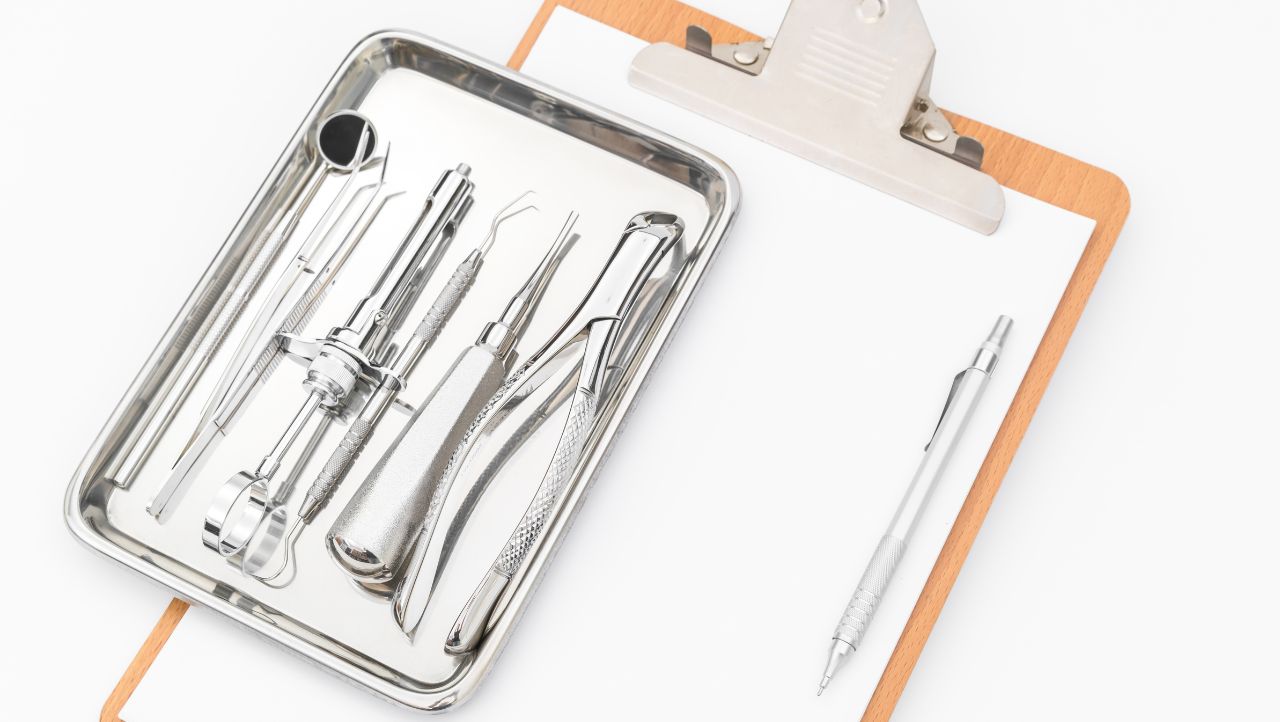
Complete Surgical Instruments Set List for Hospitals & Clinics
Modern hospitals and clinics depend heavily on high-quality surgical instruments to perform safe and effective medical procedures. From general surgeries to specialized treatments, every operation requires precision tools designed for accuracy, durability, and consistent performance. Choosing the right instruments is not only important for surgeons but also for improving patient outcomes and operational efficiency.
According to a report, the global surgical equipment market was valued at over USD 16 billion in 2023 and continues to grow due to increasing surgical procedures worldwide. This rising demand highlights the importance of selecting reliable surgical instrument sets for healthcare facilities.
Whether setting up a new operating theatre or upgrading existing inventory, understanding the essential instruments used in hospitals can help procurement teams make better purchasing decisions.
Essential Surgical Instrument Sets Used in Hospitals
Hospitals require different surgical instrument sets depending on the type of procedures performed. Each set includes carefully selected instruments that support specific surgical tasks.
1. General Surgery Instrument Set
This is one of the most commonly used sets in hospitals and clinics.
It typically includes:
- Scalpels
- Surgical scissors
- Tissue forceps
- Hemostatic forceps
- Needle holders
- Retractors
These instruments support routine procedures involving tissue cutting, clamping, suturing, and wound management.
2. Orthopedic Instrument Set
Orthopedic surgeries require stronger and more durable tools for bone-related procedures.
Common instruments include:
- Bone cutters
- Rongeurs
- Orthopedic forceps
- Bone chisels
- Drills and retractors
3. Gynecology Instrument Set
Used in diagnostic and operative gynecological procedures.
The set may contain:
- Vaginal speculums
- Curettes
- Gynecological forceps
- Dilators
4. ENT Instrument Set
ENT procedures require delicate tools for ear, nose, and throat treatments.
5. Laparoscopic Instrument Set
These minimally invasive surgical tools include trocars, graspers, scissors, and laparoscopes for advanced procedures.
A complete list of surgical instruments helps hospitals ensure they are fully equipped for different specialties and emergencies.
Common Surgical Instruments and Their Uses
Understanding the purpose of each instrument is important for proper selection and efficient surgical procedures.
Scalpels
Used for making precise incisions during surgery. They are available in different blade sizes depending on the procedure.
Forceps
Forceps are essential surgical instruments used to hold tissues, dressings, or surgical materials.
Types include:
- Dressing forceps
- Tissue forceps
- Artery forceps
Surgical Scissors
Designed for cutting tissues, sutures, and bandages with precision.
Needle Holders
These instruments help surgeons hold and control needles during suturing.
Retractors
Used to hold back tissues and provide better visibility during procedures.
Hemostatic Instruments
These tools control bleeding by clamping blood vessels during surgery.
Suction Instruments
Help remove blood and fluids from the surgical site to maintain clear visibility.
Hospitals often prepare a detailed list of surgical instruments to streamline inventory management and ensure surgical readiness.
Factors to Consider Before Buying Surgical Instrument Sets
Purchasing high-quality surgical instrument sets requires careful evaluation to ensure safety, durability, and long-term value.
1. Material Quality
Medical-grade stainless steel such as 410 and 420 offers durability, corrosion resistance, and long-lasting performance.
2. Sterilization Compatibility
Instruments should withstand repeated sterilization cycles without losing alignment or effectiveness.
3. Precision Manufacturing
Smooth finishing and accurate engineering improve surgical handling and reduce complications.
4. International Certifications
Reliable manufacturers provide certifications such as:
- ISO 13485
- ISO 9001
- CE Certification
5. Supplier Reliability
Hospitals should choose experienced suppliers with proven quality control and export capabilities.
According to Grand View Research, the increasing number of surgical procedures worldwide is driving demand for advanced and reusable surgical instruments across healthcare facilities.
Why Hospitals Prefer Complete Surgical Instrument Sets
Many hospitals and clinics prefer complete surgical instrument sets because they simplify procurement and improve operational efficiency.
Advantages of Complete Sets
- Better Organization: All instruments are arranged systematically for specific procedures.
- Improved Efficiency: Surgeons and staff can access required tools quickly during operations.
- Consistent Quality: Purchasing complete sets ensures compatibility and uniform quality standards.
- Cost Savings: Bulk purchasing reduces overall procurement costs compared to buying instruments individually.
- Simplified Sterilization & Storage: Complete sets are easier to sterilize, store, and maintain.
A well-prepared list of surgical instruments also helps healthcare facilities avoid shortages and maintain readiness for emergencies.
Why Salwan Surgicare Is a Trusted Choice for Hospitals & Clinics
Salwan Surgicare has been manufacturing and supplying premium surgical instruments since 1997. With decades of experience, the company serves hospitals, distributors, and healthcare providers globally with precision-crafted instruments designed for real operating environments.
What Makes Salwan Surgicare Different?
- Over 28 years of manufacturing expertise
- Catalog of 38,000+ instruments across specialties
- High-quality stainless steel construction
- ISO 13485, ISO 9001, and CE certified manufacturing
- Export-ready packaging and global supply support
- Consistent quality control for every batch
Their extensive list of surgical instruments includes solutions for general surgery, orthopedics, gynecology, ENT, urology, and laparoscopic procedures.
By focusing on quality, durability, and reliable performance, Salwan Surgicare continues to support hospitals and clinics worldwide with trusted surgical solutions.
Frequently Asked Questions
Surgical instrument sets support different medical procedures by providing organized tools required for cutting, suturing, clamping, and tissue handling.
Stainless steel instruments provide durability, corrosion resistance, easy sterilization, and reliable long-term performance during repeated surgical procedures.
General surgery sets typically include scalpels, forceps, scissors, retractors, needle holders, and hemostatic instruments for routine procedures.
Hospitals clean, sterilize, inspect, and store instruments properly to maintain performance, hygiene, and long-term usability after procedures.
Complete sets improve organization, ensure consistent quality, simplify procurement, and help surgical teams work more efficiently during operations.