General Surgery Instruments: Everything you need to know
Have you ever stopped to think about what actually happens behind the closed doors of an operating room? We often focus on the incredible skill of the doctors, but even the world’s best surgeon can’t do much without the right gear in their hands. These general surgery instruments are the quiet heroes of every successful procedure. For hospitals and clinics, sourcing the best surgical instruments is a top priority to maintain high medical standards.
This guide explains the different types of tools and why choosing the right ones is so important for every hospital.
What Exactly Are General Surgery Instruments?
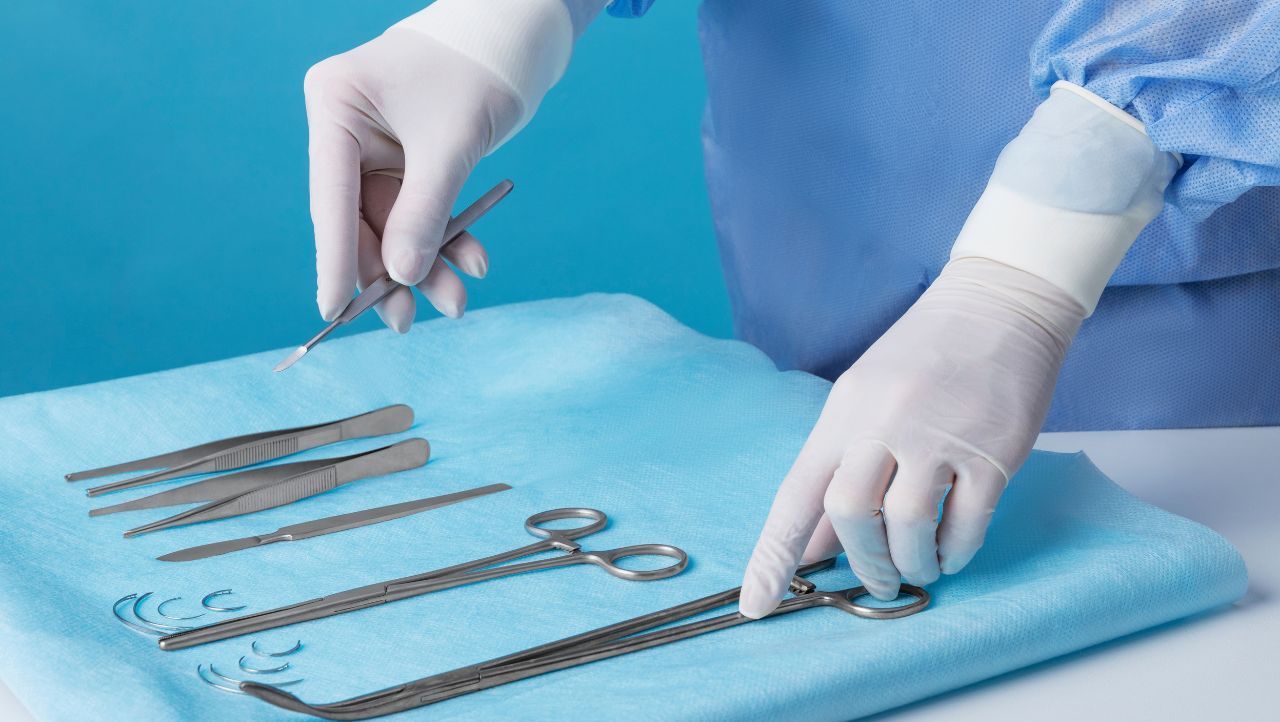
In simple terms, these are the standard tools that sit in almost every surgical tray, regardless of the operation. They aren’t just for one specific part of the body. Instead, they are the versatile helpers used for a wide range of tasks. Doctors use these general instruments for surgery to open up a site, hold back skin so they can see,and stop any bleeding during the process.
Most of these tools are made from high-quality stainless steel. There is a good reason for this. This metal doesn’t rust easily, and it can survive the extreme heat used in cleaning machines. In a busy hospital, tools go through a lot. They are used, scrubbed, and sterilized over and over. High-grade steel makes sure they stay strong and keep their shape for years.
Classification of General Surgery Instruments
Surgeons group their tools based on what they do during an operation. This organization helps the surgical team prepare the right trays for specific procedures.
1. Cutting and Dissecting Instruments
These are the primary tools used to open tissue or remove damaged parts.
- Scalpels: These consist of a reusable handle and a sharp, disposable blade. They provide the cleanest cuts with minimal damage to the skin.
- Surgical Scissors: These come in various shapes. Some are curved for deep tissue, while others are straight for cutting sutures or bandages.
- Saws and Drills: Used mostly in bone surgery to create precise openings or remove hard tissue.
2. Grasping and Holding Instruments
Surgeons use these to hold tissue out of the way or to grip blood vessels.
- Forceps: These look like tweezers. Some have “teeth” to grip slippery tissue firmly, while others have smooth tips for delicate areas like nerves or blood vessels.
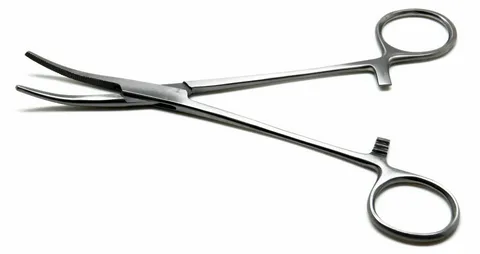
- Hemostats: These are used to clamp blood vessels to stop bleeding. They lock in place so the surgeon can work with both hands.
3. Retracting and Exposing Instruments
To see the surgical site clearly, the surgeon must hold back the skin or organs.
- Handheld Retractors: A surgical assistant holds these to pull back tissue.
- Self-Retaining Retractors: These lock into a specific position, staying open on their own without an extra pair of hands.
4. Suturing and Stapling Instruments
Once the internal work is done, the surgeon must close the site.
- Needle Holders: These act like specialized pliers to hold the needle firmly while sewing tissue.
- Surgical Staplers: Used for faster closure, especially in internal organs or large skin incisions.
Maintaining Your Surgical Inventory
Buying the best surgical instruments is only the first step. To keep them in top shape, medical staff must follow a strict cleaning routine.
- Decontamination: Removing blood and debris immediately after use.
- Inspection: Checking for any stiff joints or dull edges that could cause issues during the next surgery.
- Sterilization: Using an autoclave to kill all bacteria and viruses.
High-quality tools from a trusted surgical instruments manufacturer and exporter are designed to last through thousands of these cleaning cycles without losing their precision.
Salwan Surgicare: Your Trusted Partner in Surgical Instruments
When it comes to the health of your patients, you cannot settle for second best. Salwan Surgicare stands out as a leading surgical instruments manufacturer and exporter, providing high-precision tools to medical professionals worldwide. We understand that every incision counts, which is why we focus on crafting instruments that offer perfect balance, durability, and sharpness.
We ensure that our general surgery instruments meet international safety standards. Our catalog covers everything from basic scalpels to advanced retractors, making us a one-stop shop for hospitals and surgical centers. Whether you are a local clinic or a large international distributor, we provide consistent quality and reliable shipping. We listen to the needs of surgeons and constantly update our designs to improve ease of use. Choosing Salwan Surgicare means choosing a partner dedicated to improving surgical outcomes through superior craftsmanship. Trust our expertise to equip your operating room with tools that reflect your commitment to excellence.
Frequently Asked Questions
A standard set usually includes scalpels for cutting, forceps for holding tissue, hemostats for stopping blood flow, and retractors to keep the surgical site open and visible.
Gold handles mean the tool has tungsten carbide tips. These tips are much harder than standard steel, offering a better grip on needles and a much longer life for the instrument.
Tools are first cleaned by hand and then placed in an autoclave. This machine uses high-pressure steam to kill all bacteria and viruses, making the tools completely safe for the next patient.
Yes. Salwan Surgicare is a surgical instruments manufacturer and exporter, which means we ship our high-quality medical tools to distributors, medical companies, hospitals and clinics all over the world.
If they are cleaned and maintained properly, top-grade stainless steel instruments can last for 10 years or even longer. Regular checks are important to ensure they stay in perfect working condition.