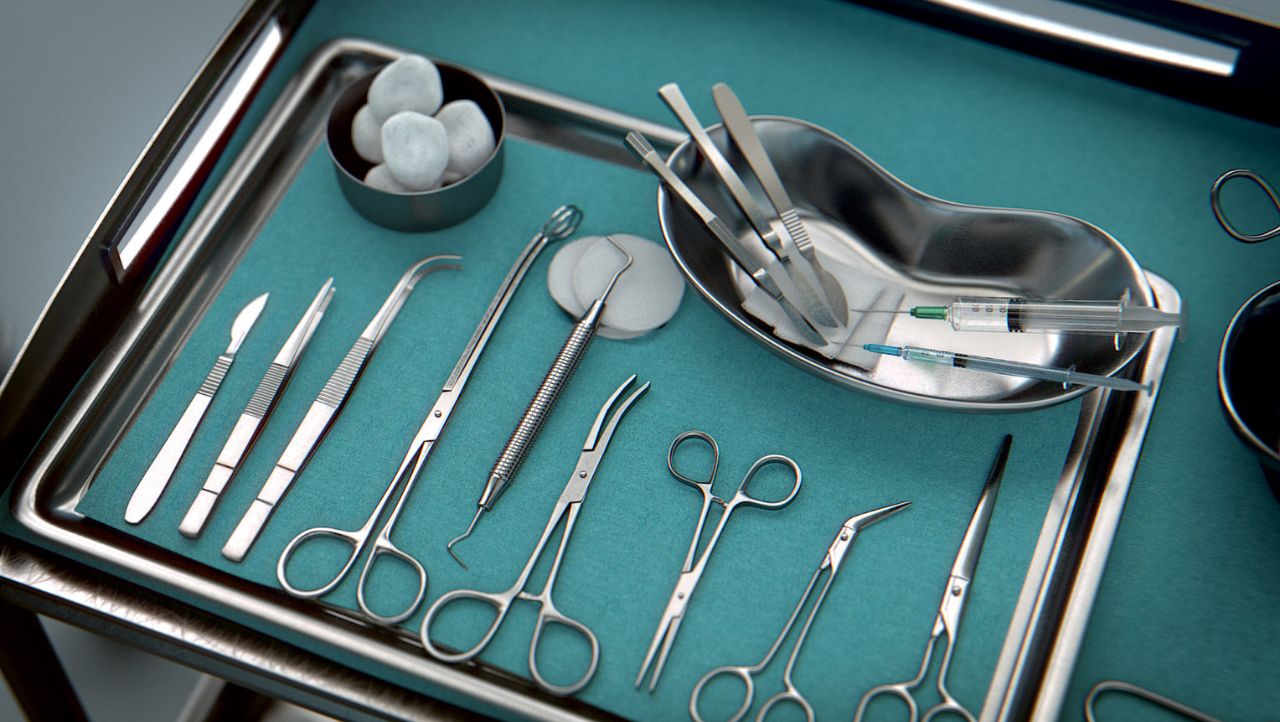
To choose the right surgical instruments supplier, prioritize manufacturers that hold ISO 13485 and CE certifications to ensure medical-grade quality. Evaluate their material sourcing, specifically high-grade stainless steel and their reputation for precision and durability.
Ensure the supplier offers a comprehensive catalog for instrument general surgery, provides transparent warranties, and maintains a robust supply chain to guarantee timely delivery and consistent after-sales technical support for your facility.
Key Factors To Consider While Choosing Surgical Instruments
Selecting a partner for surgical procurement is one of the most critical decisions a healthcare administrator or lead surgeon can make. The precision of a procedure is inextricably linked to the quality of the tools used. When the market is saturated with various surgical instruments suppliers, identifying a manufacturer that aligns with clinical standards and operational needs requires a systematic approach.
1. Compliance with International Quality Standards
The first filter in your selection process must be regulatory compliance. A reputable manufacturer must adhere to international benchmarks that govern the safety and efficacy of medical devices.
- ISO 13485: This is the standard for medical device quality management systems. It ensures the manufacturer maintains consistent design, development, and production standards.
- CE Marking: This indicates that the products meet the health, safety, and environmental protection standards for products sold within the European Economic Area.
- FDA Registration: For those operating in or sourcing for the US market, FDA compliance is non-negotiable.
2. Material Integrity and Grade of Steel
The longevity of surgical instruments depends heavily on metallurgy.
- Martensitic Steel (410 series): Used for cutting instruments like scissors and scalpels because it can be hardened by heat treatment.
- Austenitic Steel (420 series): Highly resistant to corrosion, making it ideal for retractors and cannulas.
3. Precision Engineering and Ergonomics
In general surgery, the feel of an instrument is vital. A manufacturer should focus on:
- Balance and Weight: Instruments should be balanced to reduce hand fatigue during long procedures.
- Closing Mechanisms: Forceps and needle holders must have smooth ratchets and consistent tension.
- Surface Finish: High-quality polishing prevents bacterial hiding spots and ensures better sterilization outcomes.
4. Breadth of Product Catalog
General surgery encompasses a vast range of procedures, from appendectomies to complex laparotomies. It will be efficient to collaborate with a trusted manufacturer and exporter for a comprehensive range of instrument general surgery sets. This includes:
- Cutting and dissecting instruments (Scalpels, Scissors).
- Grasping and holding instruments (Forceps, Clamps).
- Retracting and exposing tools.
- Suturing and stapling devices.
5. Innovation and R&D Capabilities
The medical field is evolving toward minimally invasive techniques. A forward-thinking manufacturer invests in Research and Development. Check if they offer specialized coatings (like Tungsten Carbide inserts for better grip) or if they are developing ergonomic handles that cater to modern surgical demands.
6. Sterilization Compatibility
Instruments must withstand rigorous, repeated sterilization cycles (Autoclaving, Ethylene Oxide, etc.). Ask your exporter for instructions for use (IFU) regarding cleaning and sterilization. If a tool rusts or loses its pivot tension after ten cycles, it is not meeting medical-grade requirements.
7. Supply Chain Reliability and Lead Times
A gap in the supply chain can delay surgeries. Evaluate the exporter’s logistical capabilities.
- Inventory Levels: Do they keep common instruments in stock?
- Shipping: Can they deliver globally or locally within a reasonable timeframe?
- Packaging: Are instruments shipped in protective packaging to prevent damage to delicate tips during transit?
8. Post-Purchase Support and Warranty
A transaction should not end at delivery. The best surgical instruments suppliers offer:
- Warranties: Protection against manufacturing defects.
- Repair Services: Professional sharpening and realignment services.
- Education: Training for your CSSD (Central Sterile Services Department) staff on how to maintain the instruments.
9. Reputation and Clinical Feedback
Before signing a contract, perform due diligence. Look for clinical white papers, hospital testimonials (available on third-party sites), and the manufacturer’s history in the industry. Longevity in the market often indicates a brand that has successfully navigated the complexities of medical manufacturing.
10. Cost vs. Value Analysis
While budget constraints are real, the cheapest option often leads to higher long-term costs due to frequent replacements and potential surgical complications. High-quality surgical instruments are an investment that pays off through durability and improved patient outcomes.
Get The Best Surgical Instruments with Salwan Surgicare
When it comes to precision, reliability, and clinical safety, Salwan Surgicare stands at the forefront of medical manufacturing. We specialize in providing top-tier solutions for instrument general surgery, ensuring that every blade, clamp, and retractor meets the highest international standards. Our commitment to innovation and durability makes us one of the most trusted surgical instruments suppliers globally.
Equip your surgical team with the tools they deserve. Explore our full range of professional surgical solutions at our official website.