Surgical Retractors Manufacturer and Exporter
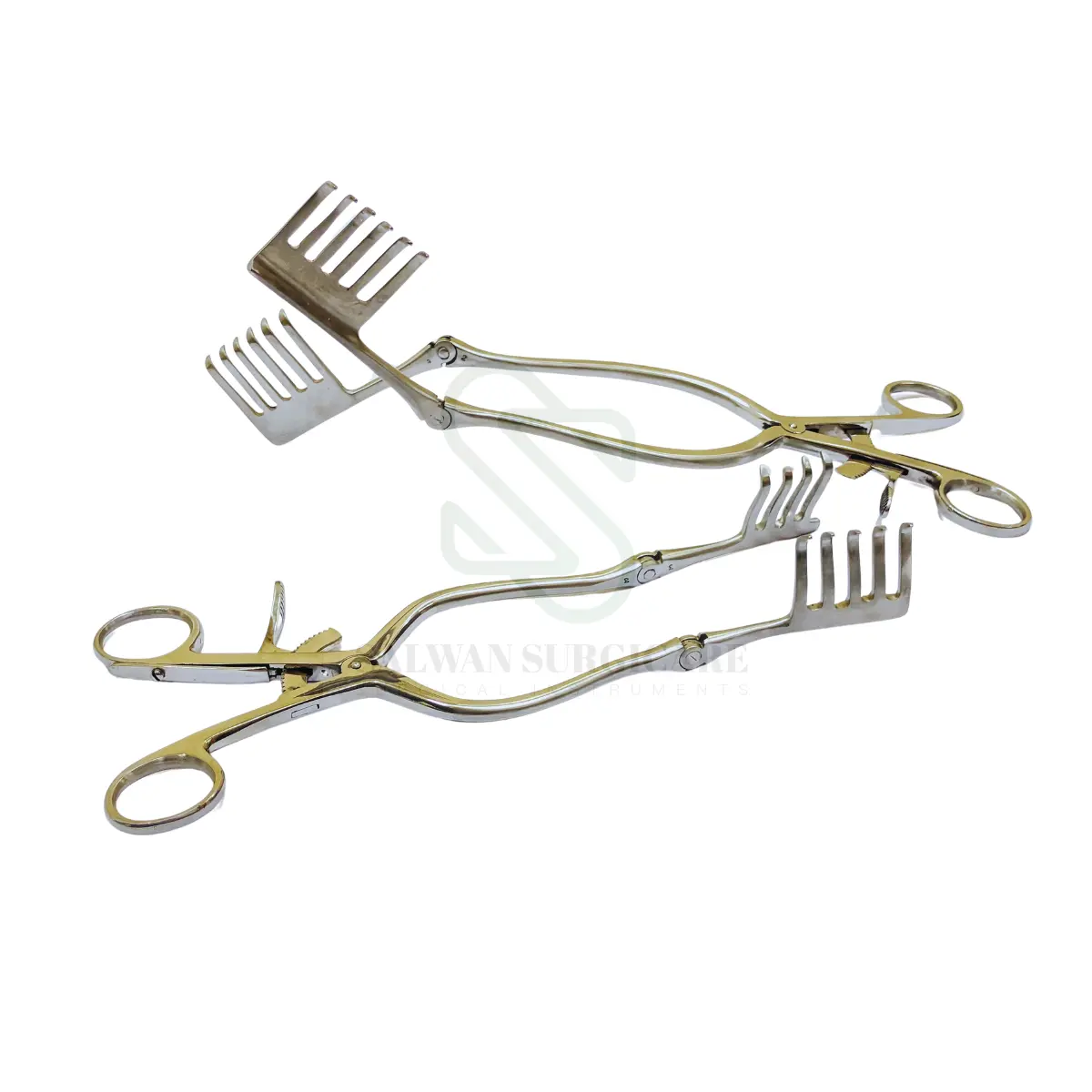
Surgical Retractors: Types, Names, Uses & Buying Guide
Retractors are essential surgical instruments used to hold back tissue, skin, or organs so surgeons can see and work safely. This page explains what are retractors, common retractor uses, and the most requested retractor types with names—from Deaver retractor and Langenbeck retractor to Richardson retractor, Minnesota, Senn retractors, and more.
Retractor definition
A retractor instrument is a surgical tool used to gently pull tissue, muscles, or organs aside during an operation. This helps surgeons create more working space and maintain a clear view of the surgical area throughout the procedure.
If you are searching for retractor meaning or retractors meaning, the simplest explanation is a “hold-back tool” used during surgery. Doctors use retractors to improve visibility, support safer tissue handling, and help reduce unnecessary tissue trauma during procedures.
Retractors are common in general surgery, orthopedic procedures, abdominal operations, neurosurgery, gynecology, and many other surgical specialties. Some retractors are handheld, while others are self-retaining and stay in position during surgery to help surgeons work more efficiently.
Retractors are used for
- Keeping incisions open for safer access
- Protecting tissue while exposing deeper layers
- Improving visibility for precise cutting, suturing, and clamping
- Holding cheeks, tongue, or soft tissue in ENT and dental cases (example: retractor cheek)
Buying for a hospital or distributor? Ask for a recommended set based on department: general surgery, orthopedics, ENT, gynecology, or laparoscopy. Use the links in the “Explore more” section to match the right category.
Quick comparison: Morris retractor vs Langenbeck retractor
If you’re comparing Morris retractor vs Langenbeck retractor, the practical difference usually comes down to blade shape and how deep you need to retract. Langenbeck is a common “go-to” for general exposure, while Morris is often chosen when a different blade profile improves grip and visibility in a specific surgical field. If you tell us the specialty and incision depth, we can recommend the right option.
How to choose the right retractors (buyer checklist)
Procedure depth
superficial vs deep abdominal/pelvic work
Blade profile
straight, curved, right angle, or malleable
Handheld vs self-retaining
depends on OR workflow and staff support
Material & finish
surgical-grade steel, smooth edges, easy sterilization
Set building
combine sizes so one set works across cases
Different types of retractors (with names + typical use)
Deaver retractor
What it’s used for
Deep abdominal and thoracic retraction
Quick notes
Curved blade helps reach deeper areas
Langenbeck retractor
What it’s used for
General surgery and orthopedic exposure
Quick notes
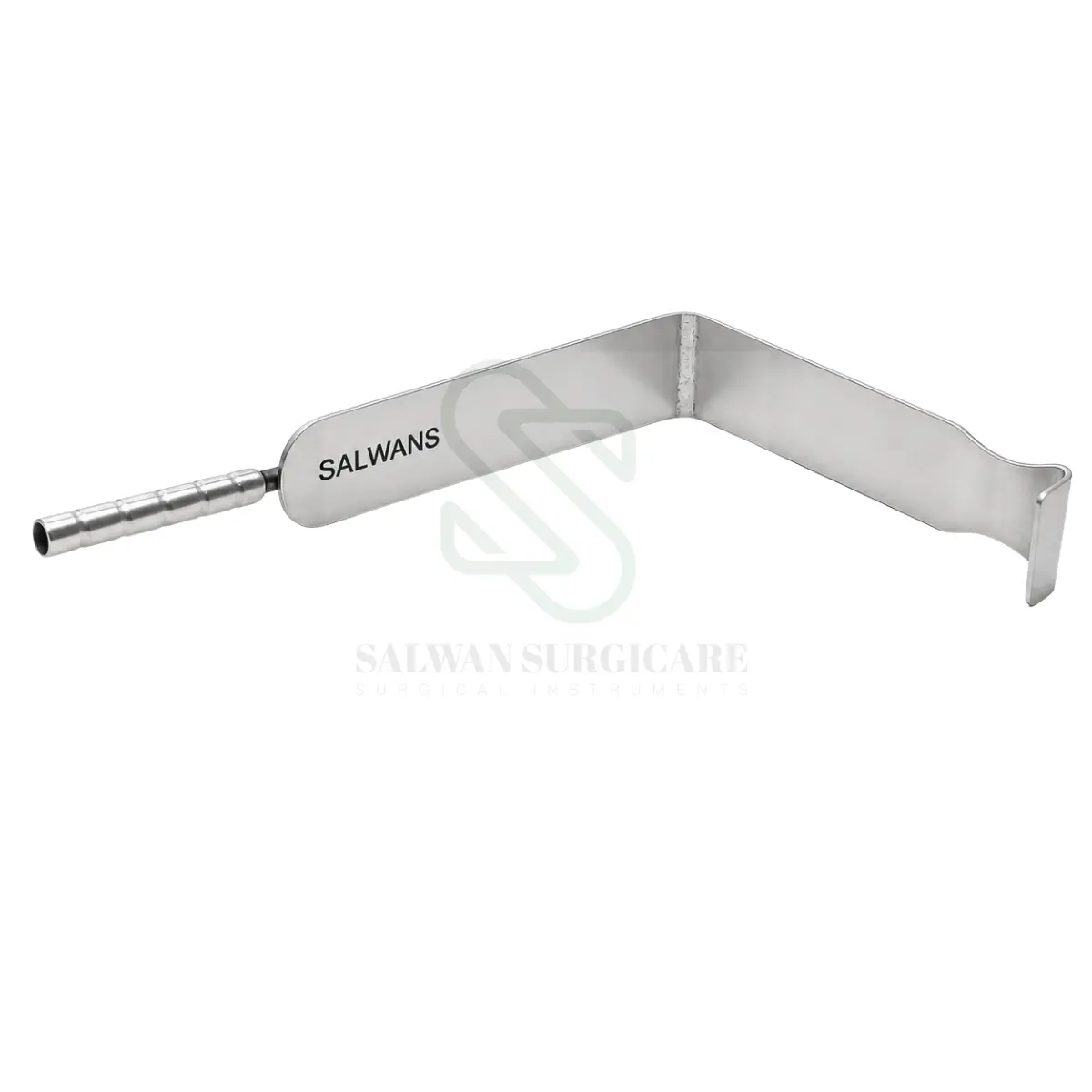
Straight handle with right-angled blade
Richardson retractor
What it’s used for
Abdominal wall and deep tissue retraction
Quick notes
Often chosen for strong, steady pull
Minnesota retractor
What it’s used for
Oral / dental retraction and soft tissue control
Quick notes
Popular cheek and lip retractor option
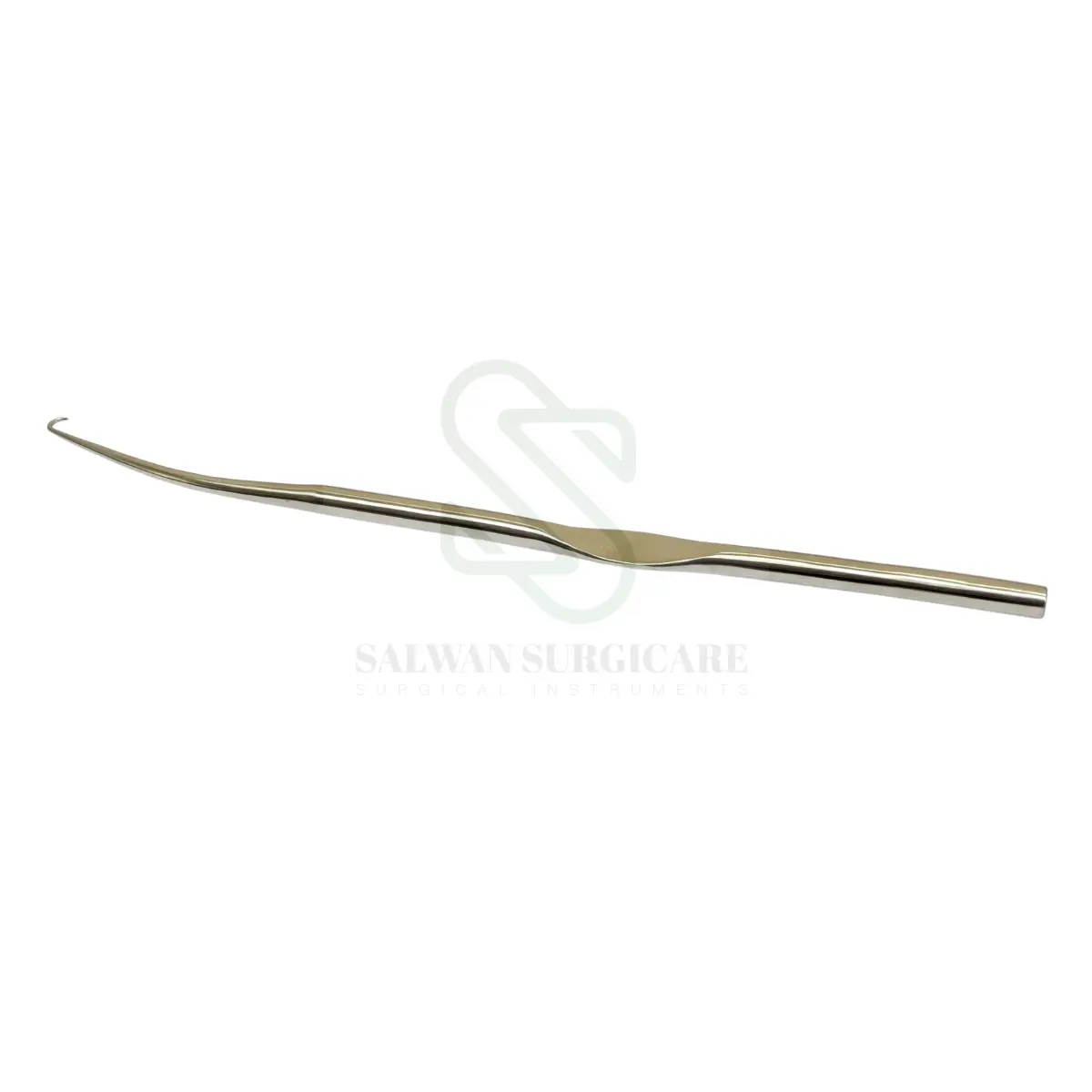
Senn retractors
What it’s used for
Skin and superficial tissue retraction
Quick notes
Double-ended; great for smaller incisions
Malleable retractors
What it’s used for
Custom shaping around organs and tissue
Quick notes
Bendable; useful when anatomy varies
Harrington retractor
What it’s used for
Deep pelvic and abdominal exposure
Quick notes
Often selected for deep field visibility
Jolls retractor
What it’s used for
ENT / thyroid and neck exposure (varies by set)
Quick notes
Common in specialty retractor sets
Thompson retractor
What it’s used for
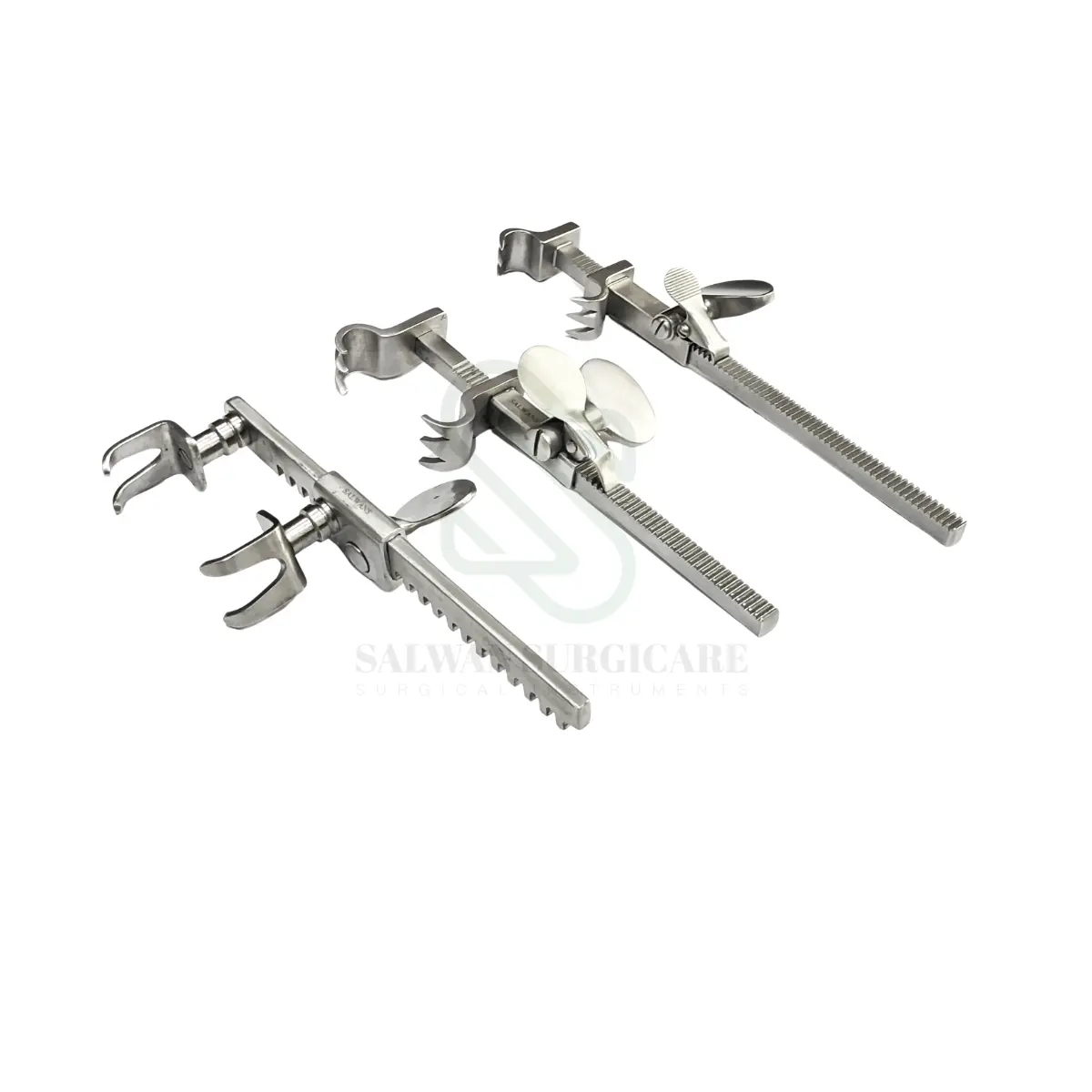
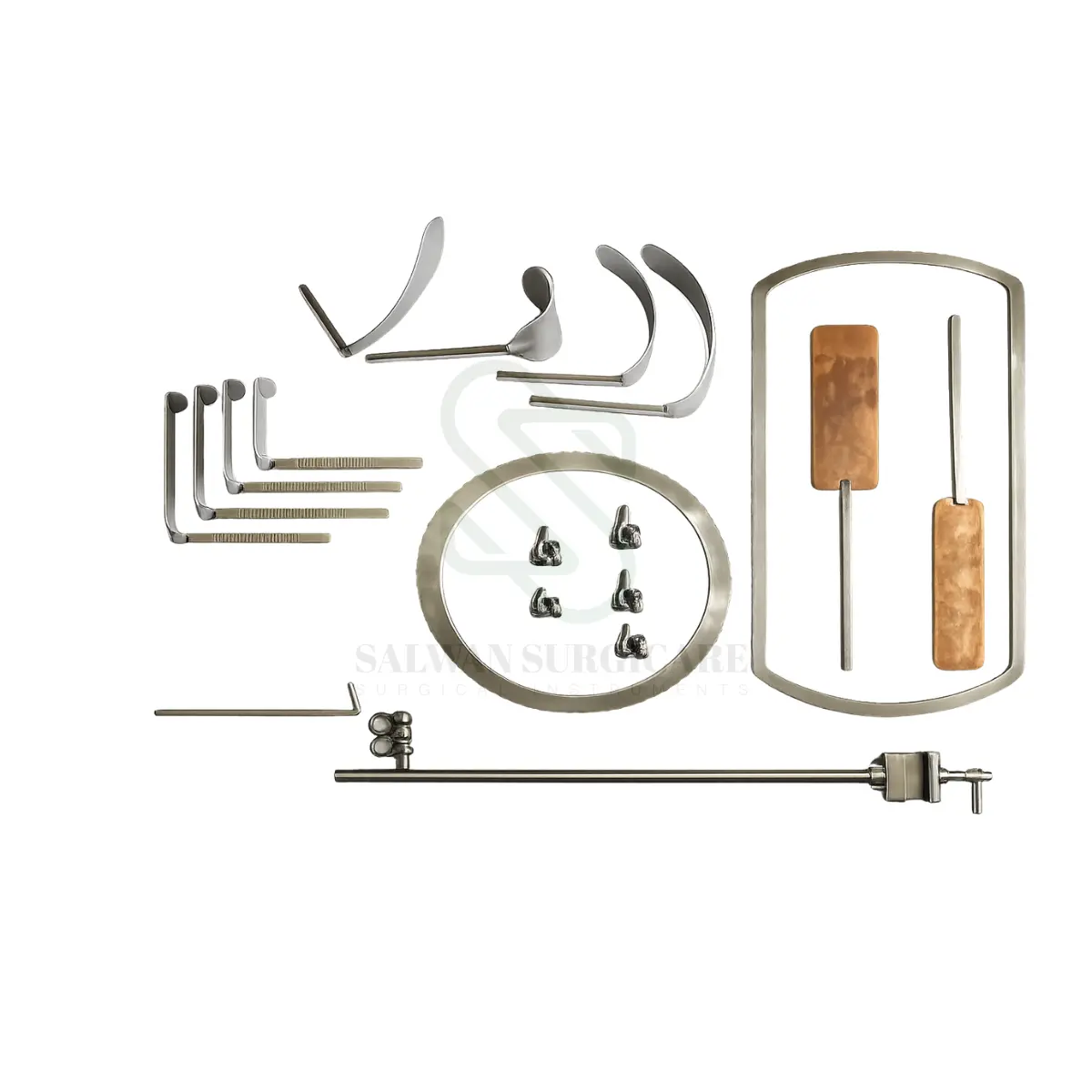
Advanced self-retaining retraction systems
Quick notes
Usually part of modular OR systems
Retractor right angle
What it’s used for
Helping access corners and edges around structures
Quick notes
Useful when straight blades block the view
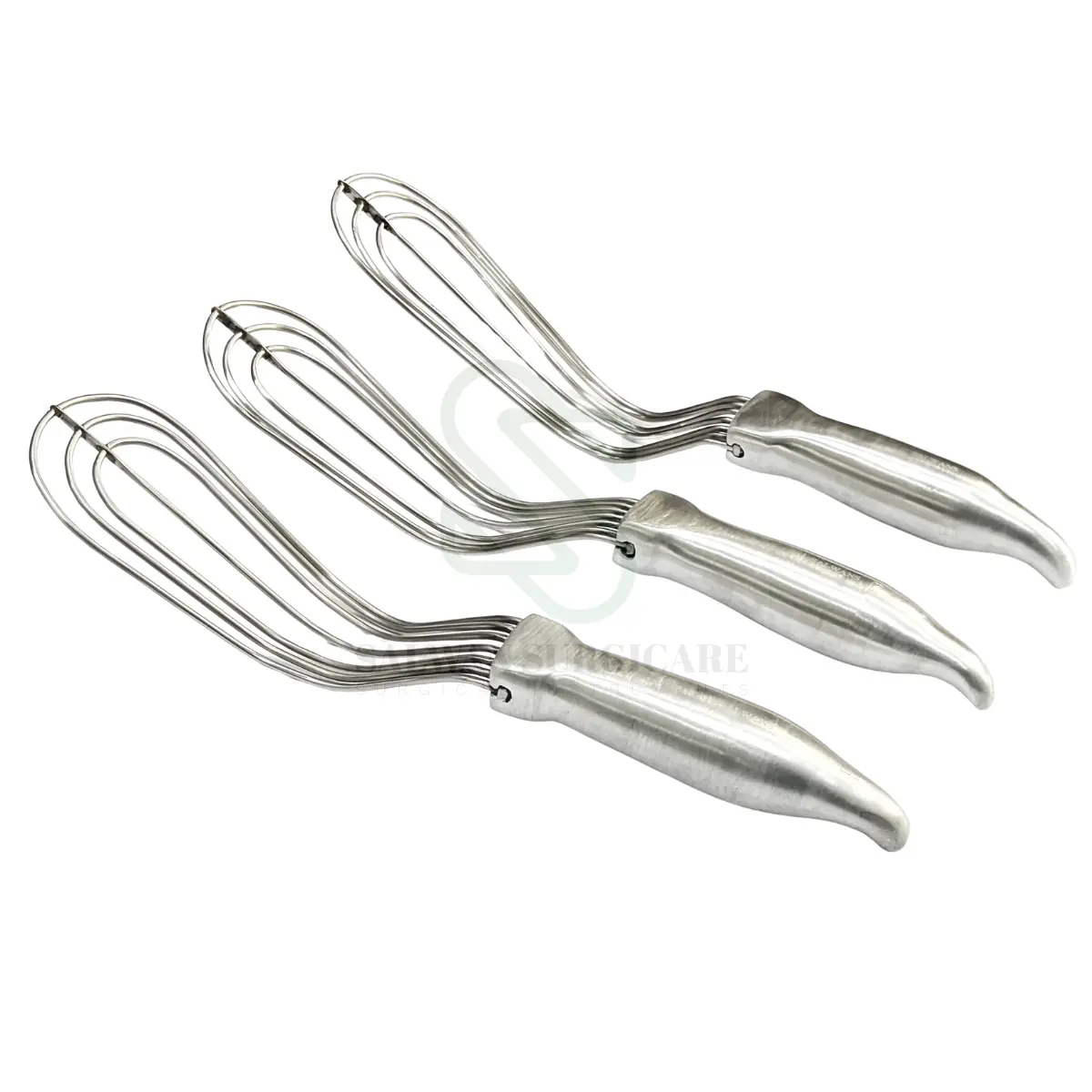
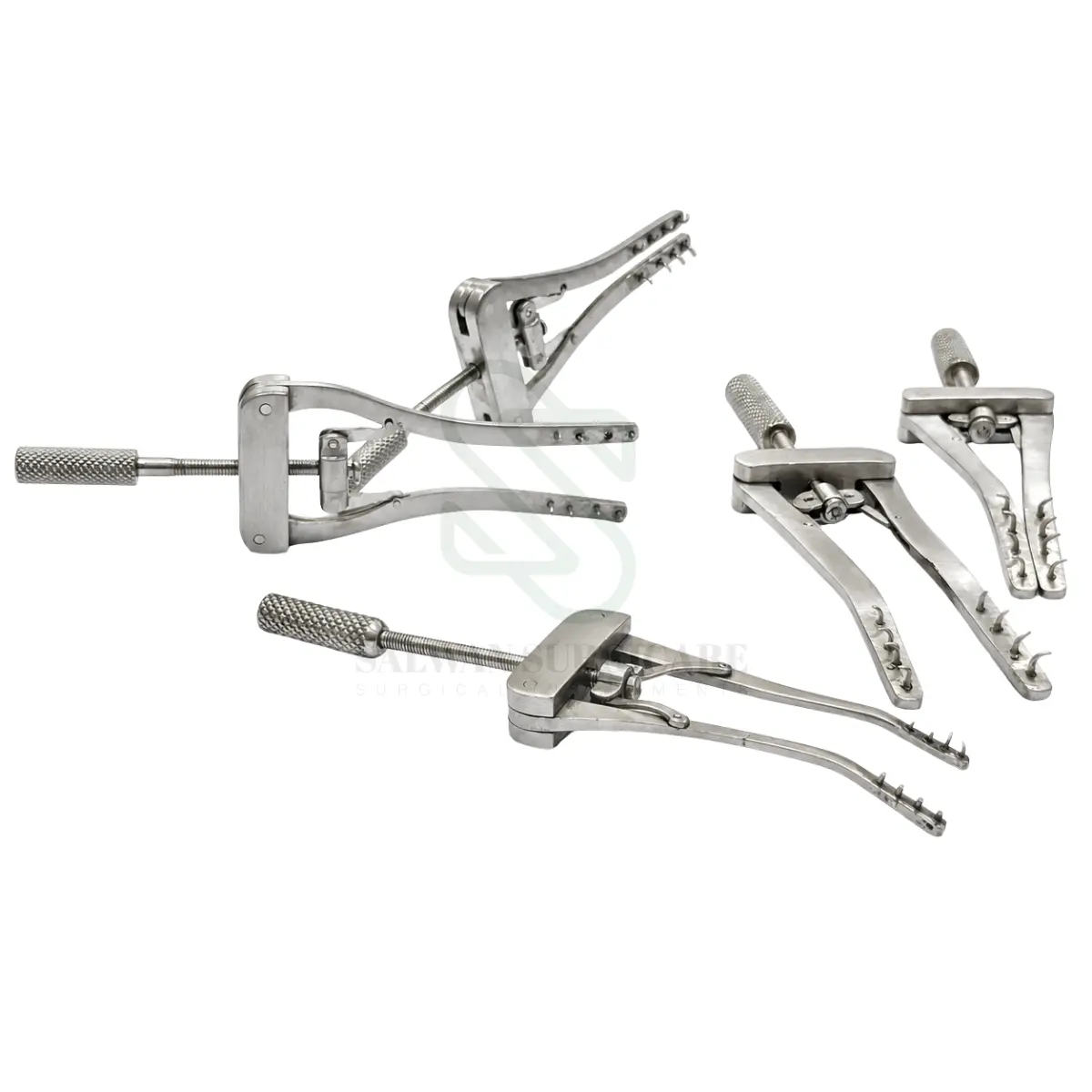
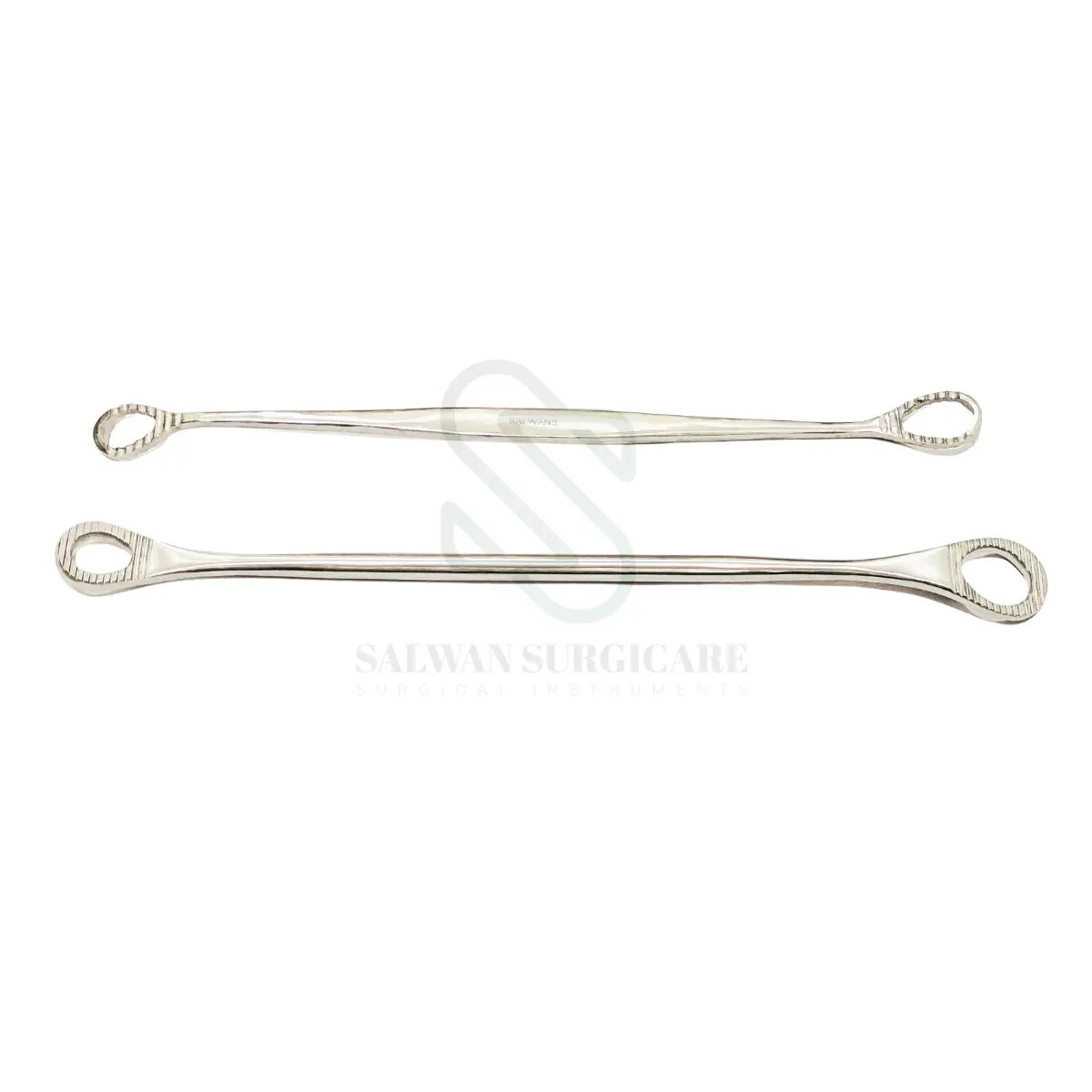
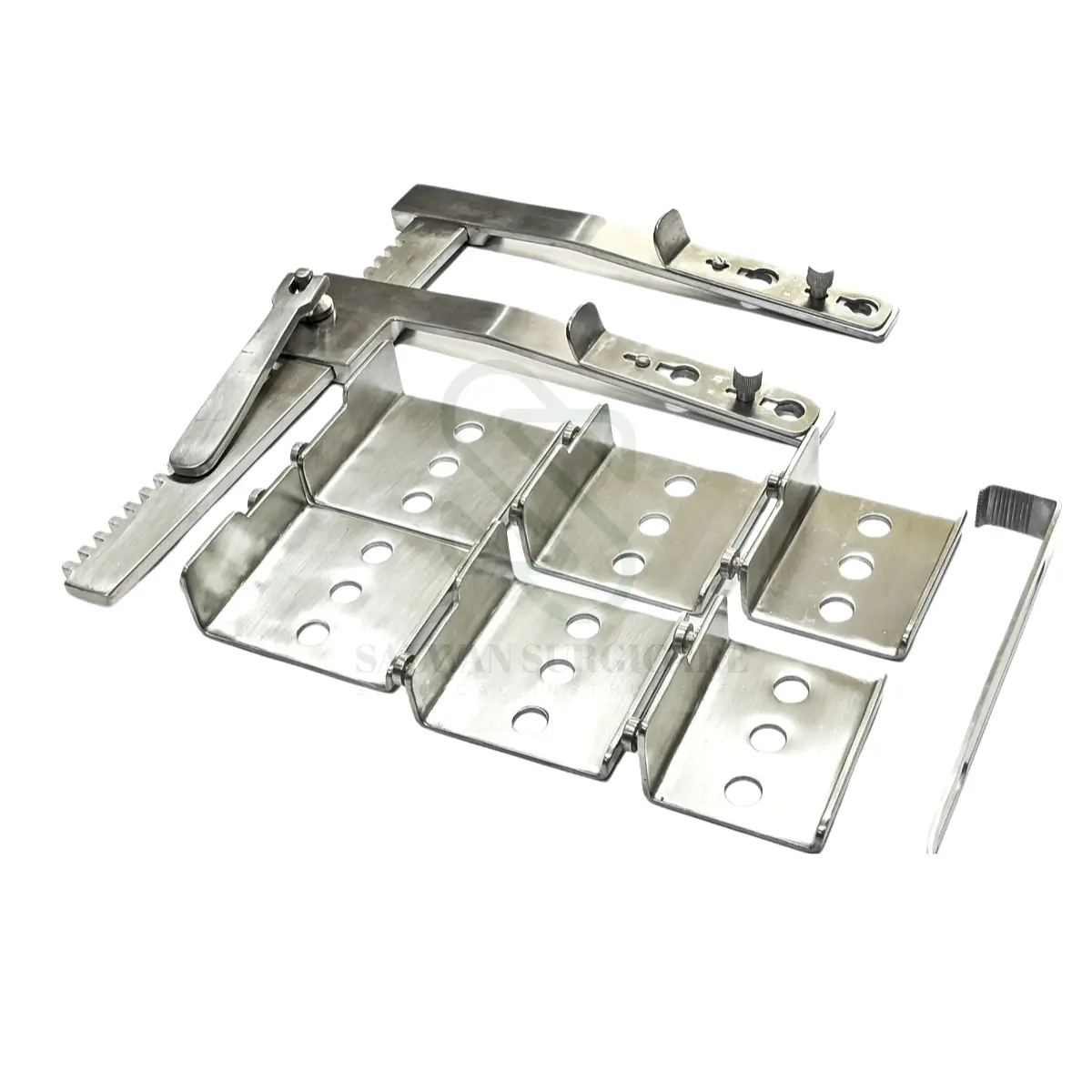
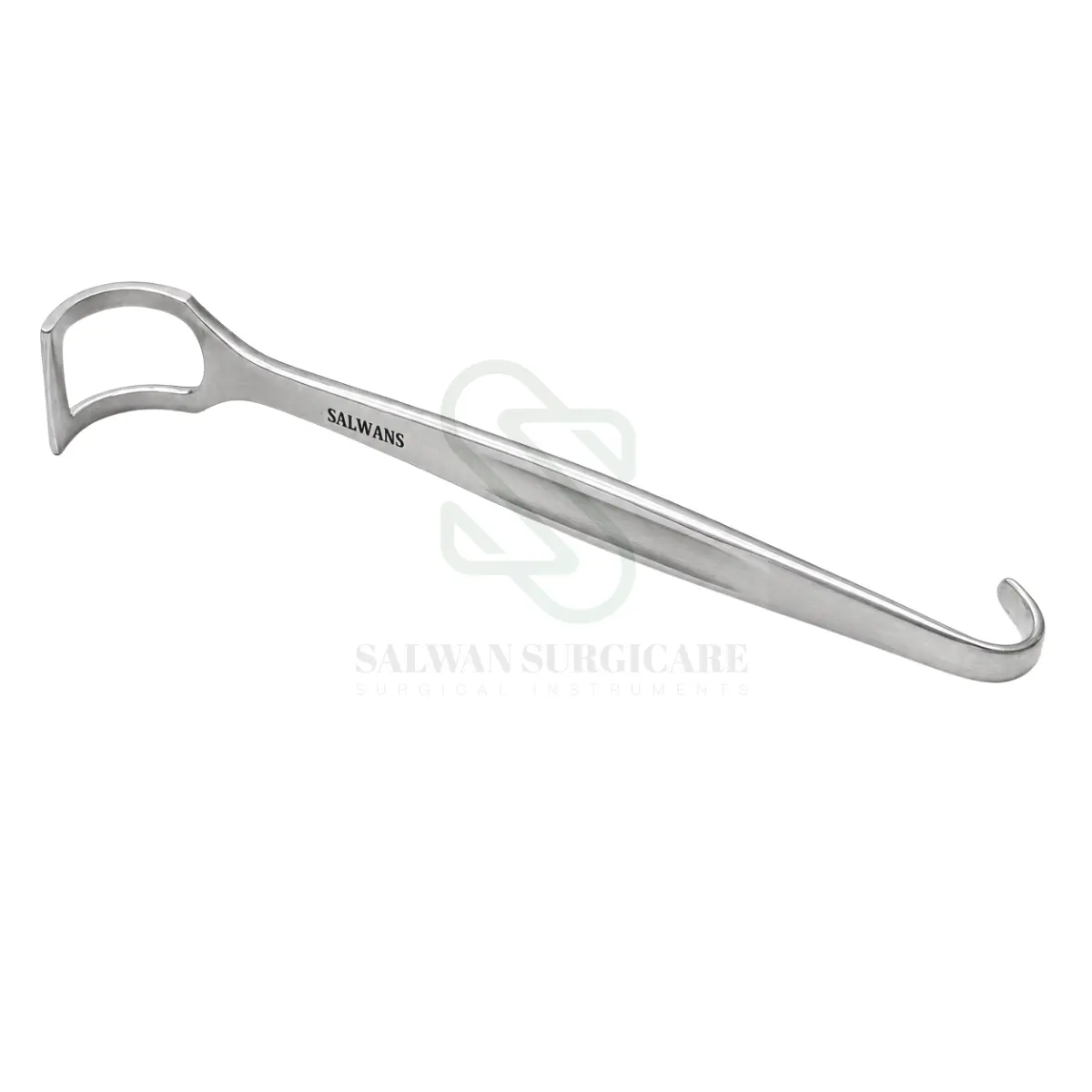
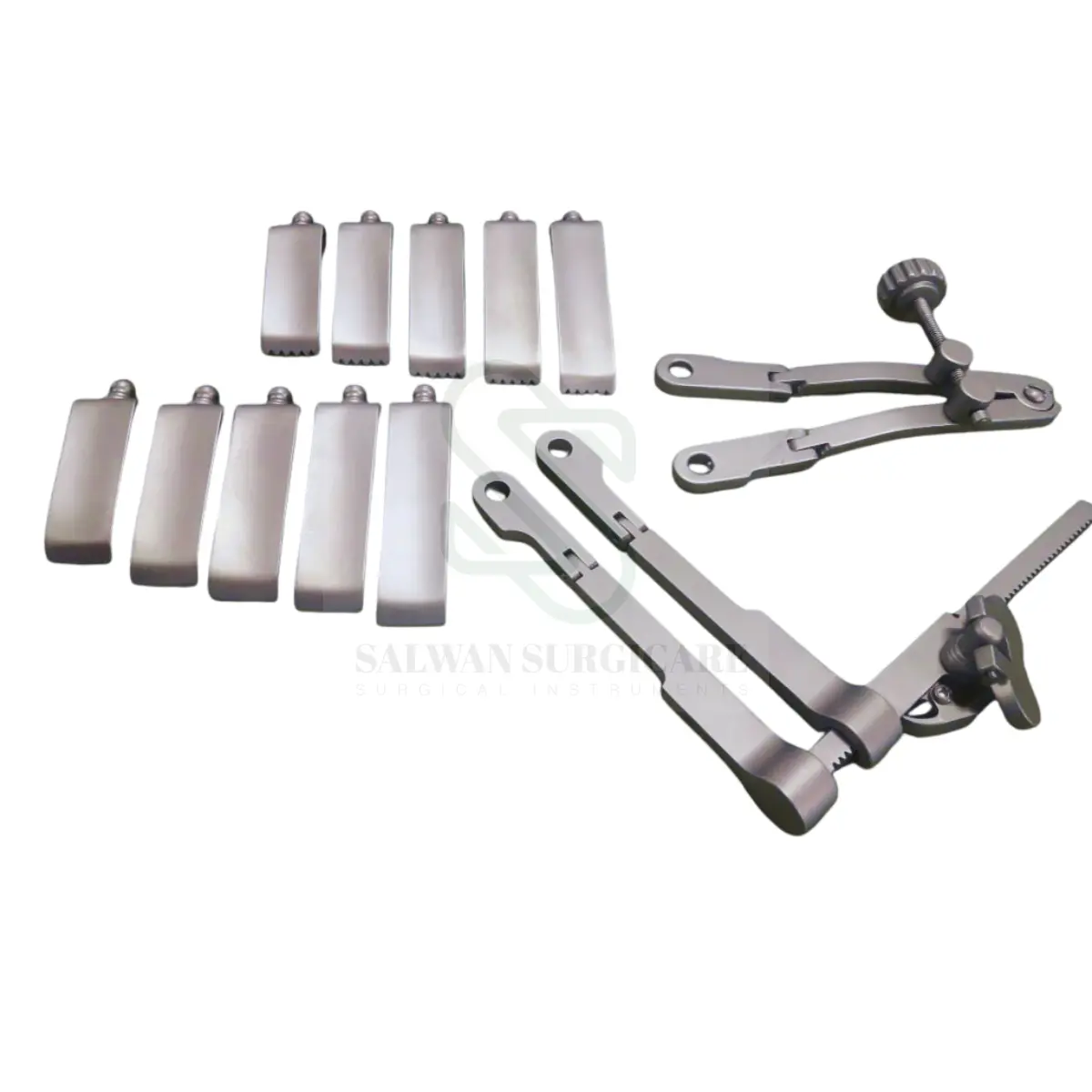
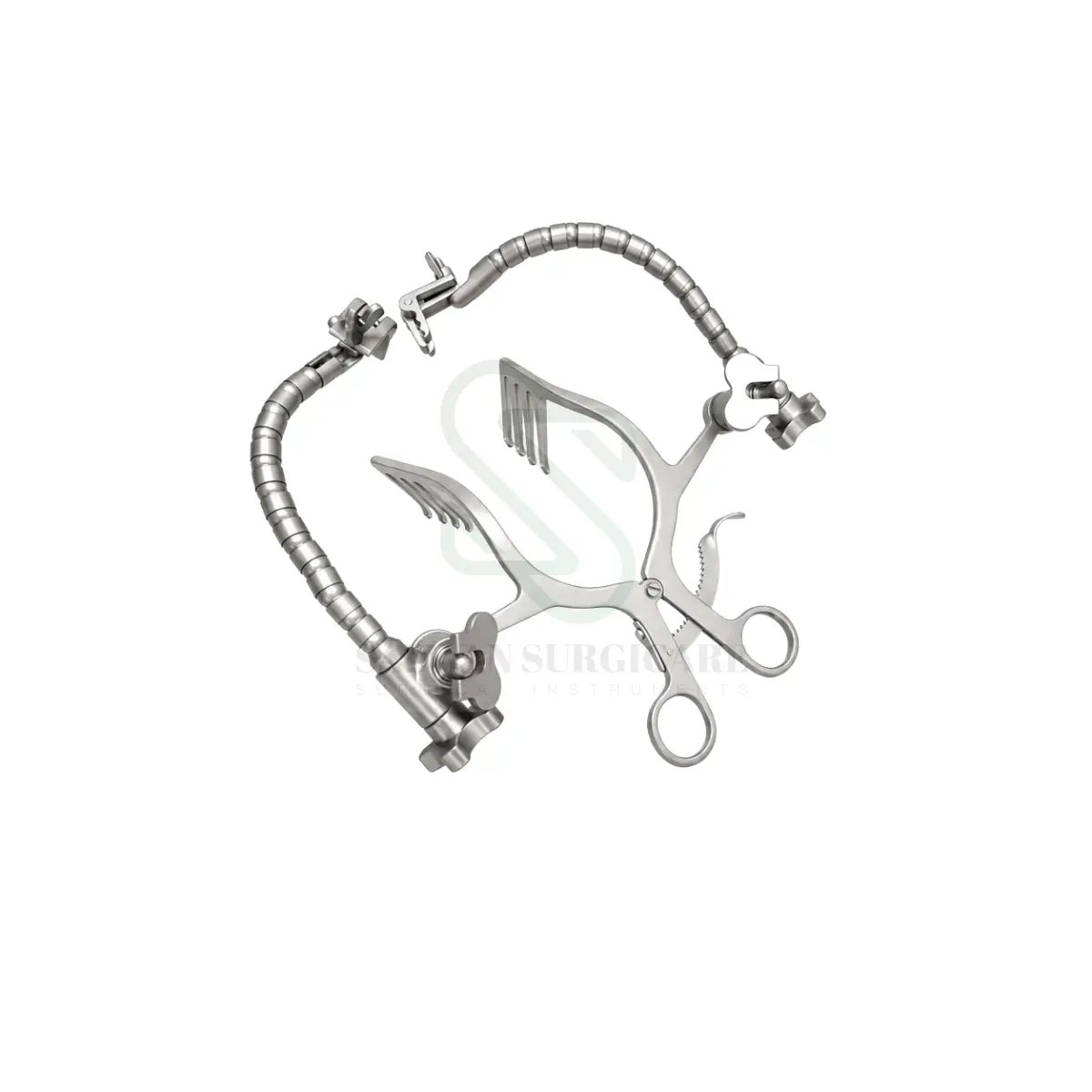
Trusted Global Supplier
As a surgical retractor manufacturer and exporter, we supply retractors to distributors, medical companies, and sourcing teams that require consistent quality, clear communication, and reliable repeat-order support. Our production process is built for buyers who need instruments that remain consistent across every batch.
Many buyers sourcing Surgical Retractors also explore our full range of surgical instruments before placing orders. This includes Orthopedic surgery instruments, Laparoscopic instruments, and Urology instruments, allowing buyers to streamline procurement and reduce dependency on multiple suppliers.
We support buyers who need:
- consistent supply for repeat orders
- clear product specifications and fast quotation response
- efficient sourcing across multiple surgical instrument categories
- smooth export coordination for international shipments
If you are expanding your surgical product portfolio, surgical instruments can be supplied as a standalone instrument or bundled with related surgical instruments based on your sourcing requirements.
Request A Retractor Catalogue
Tell us the surgical specialty, such as general surgery, ENT, dental, orthopedic, gynecology, or laparoscopic procedures, along with your preferred instrument sizes and patterns.
Our team will suggest practical instrument options based on your requirements and share detailed pricing information.