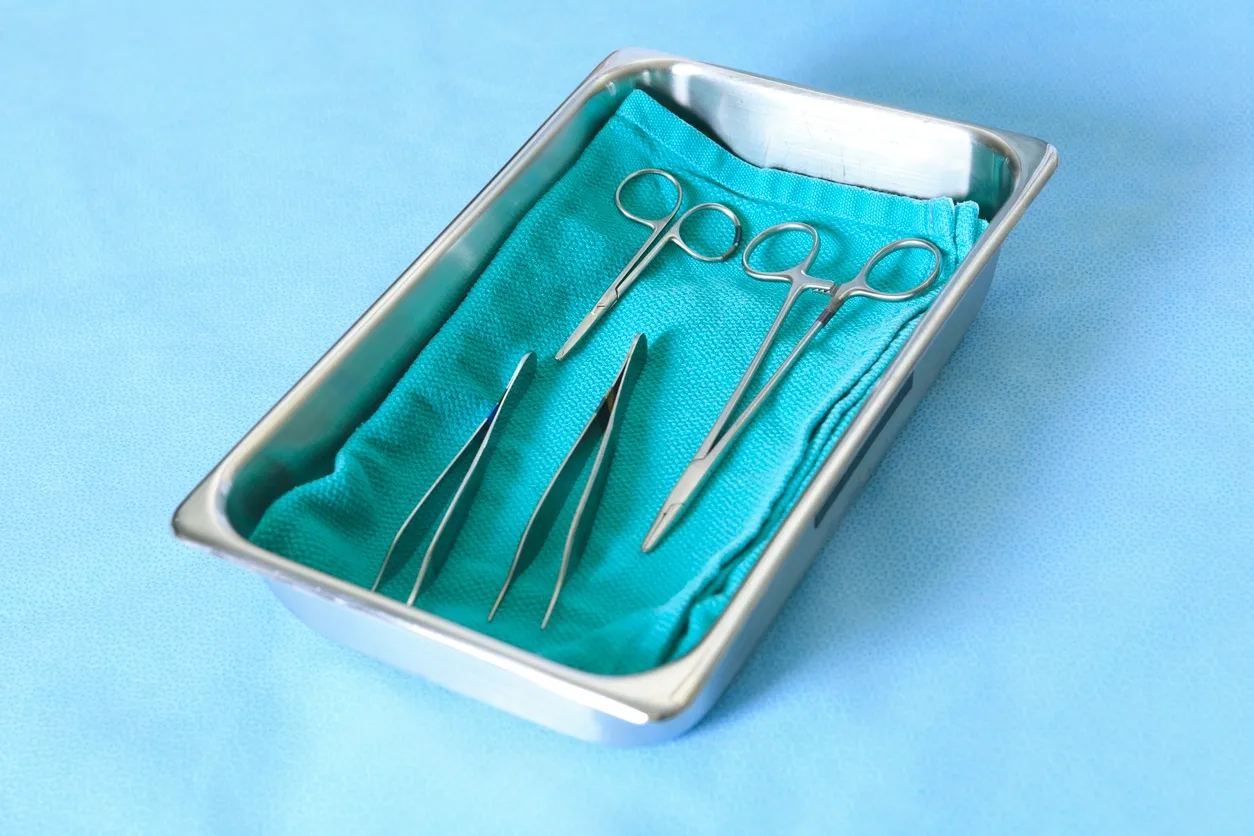
In every operating room, success depends on precision. That precision starts with the tools surgeons use. From a simple surgical equipment name like scissors or retractors to advanced specialty devices like orthopedic instruments, urology instruments, gynecology instruments, and neuro instruments, every tool has a clear role.
As a global surgical instruments manufacturer and exporter, Salwans supplies CE and ISO-certified devices trusted by hospitals, clinics, and distributors worldwide. In this guide, we explain how instruments are classified, the most common operation instrument names, and how specialties depend on their unique sets.
What Are Surgical Instruments?
Surgical instruments are tools designed for performing operations and medical procedures. They are made from high-grade stainless steel or titanium, built to withstand repeated sterilization, and engineered for safety and precision. A surgical instrument name list often includes general tools like scalpels and forceps alongside specialty devices like cystoscopes or neurosurgery punches.
Hospitals, procurement officers, and medical students often search for surgical instrument names with images PDF or operation instrument names in PPT format for easy training. To meet this demand, Salwans provides catalogs that include names, pictures, and clear descriptions of every instrument.
Classification of Surgical Instruments by Function
Surgical instruments are usually divided into four broad categories:
1. Cutting and Dissecting Instruments Examples include scalpels, surgical scissors, and bone cutters. These instruments are designed for precision cuts.
2. Clamping and Occluding Instruments Here we see different forceps types, such as artery forceps and tissue forceps. These are used to stop bleeding or hold tissue during surgery.
3. Retracting and Exposing Instruments Retractors help open up surgical sites for better visibility. Common examples include abdominal retractors and orthopedic retractors.
4. Specialty Instruments Instruments designed for specific procedures, such as gynecology instruments like Sims Speculum, or urology instruments like cystoscopes.
Specialty Instruments: Key Examples
Orthopedic Instruments
Used in bone and joint surgeries. Examples include bone nibblers, orthopedic drills, and saws.
Gynecology Instruments
Essential for women’s healthcare procedures. This includes uterine dilators, Sims Speculum, and gynecology forceps.
Urology Instruments
Focused on urinary tract surgeries. Popular tools include cystoscopes, urethral dilators, and resectoscopes.
Neuro Instruments
Used in brain and spinal operations. Precision tools like Kerrison Punch and Hudson Burr are standard in neurosurgery sets.
Importance of Forceps Types in Surgery
Among all instrument groups, forceps types are one of the most widely used. They serve multiple functions: controlling bleeding, handling tissue, and assisting in suturing. Hospitals often request a detailed forceps types list with names and pictures for both training and procurement. At Salwans, we supply complete sets that cover all major categories.
Why Instrument Classification Matters
Understanding classifications helps hospitals, clinics, and procurement officers choose the right sets for their needs. A surgical instruments manufacturer that provides detailed catalogs with names, images, and functions makes the process easier. At Salwans, we provide CE and ISO-certified catalogs in PDF and PPT formats, covering both generic operation instrument names and advanced specialty devices.
Final Thoughts
From a simple forceps type to advanced neuro and orthopedic instruments, surgical tools are the backbone of modern healthcare. Knowing not just the surgical equipment name but also the classification helps procurement teams and surgeons make informed choices.
Salwans continues to support hospitals and distributors with a full range of instruments, trusted worldwide.